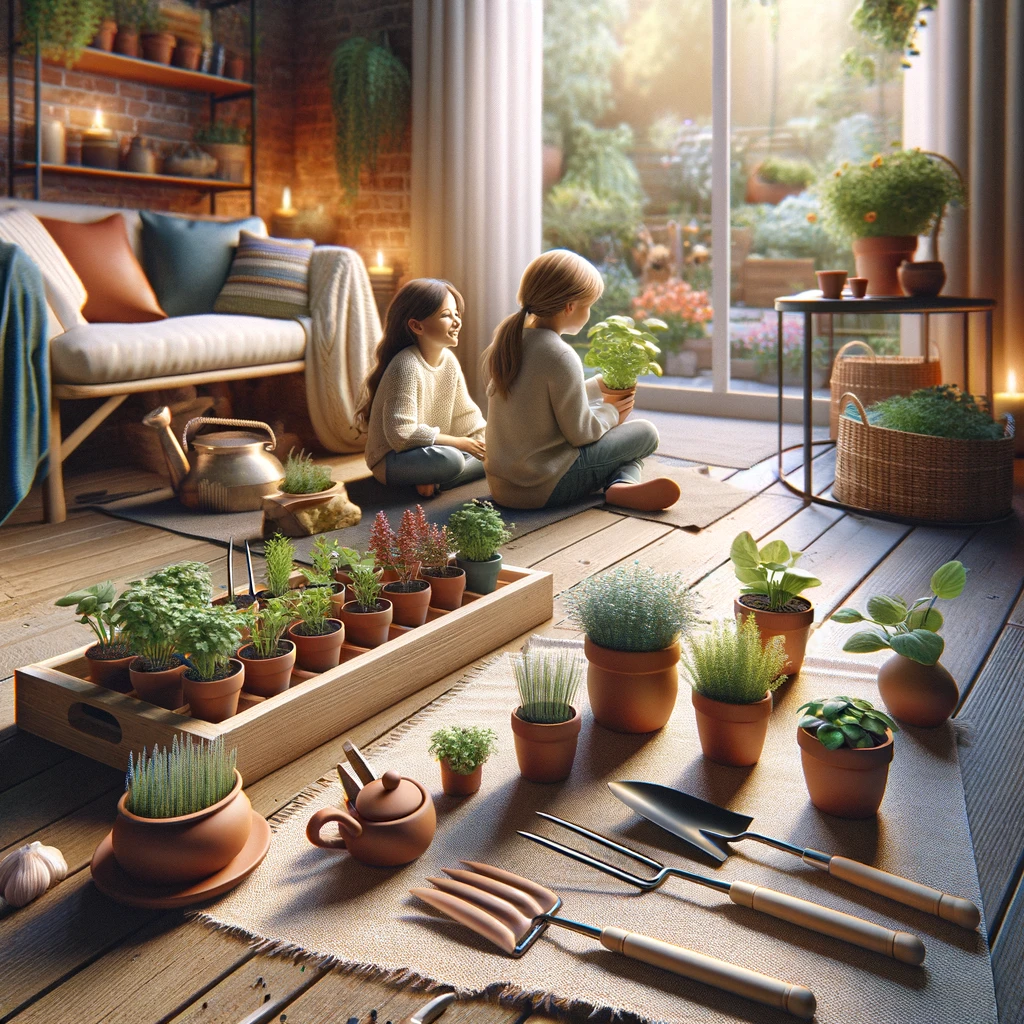
Hello, fellow plant-loving parents! 🌿✨
As we dive into the New Year, I’m thrilled to embark on a green journey with you and your little ones. Today, we’re going to explore the wonderful world of indoor edible gardening and discover how involving your kids can transform your home into a lush, vibrant oasis of delicious, homegrown goodness.
Why Indoor Edible Gardening?
Before we roll up our sleeves and get our hands dirty, let’s chat about why indoor edible gardening is such a fantastic idea, especially when you have curious kids in tow.
1. Year-Round Harvests: No need to wait for the spring thaw or worry about frosty winters. Indoor gardening allows you to enjoy fresh produce all year long.
2. Learning Opportunity: It’s an educational adventure for your kids. They’ll discover the magic of plant life, the importance of nurturing, and the joy of harvesting their own food.
3. Nutritional Benefits: Homegrown produce is packed with nutrients, ensuring your family enjoys the healthiest, most flavorful meals.
4. Connection with Nature: In our increasingly digital world, indoor gardening brings your family closer to nature. It’s a hands-on experience that fosters a love for the environment.
Getting Started with Indoor Edible Gardening
Now that we’re all on board with the idea, let’s dive into the practicalities of starting your indoor edible garden.
Choose the Right Spot: Find a sunny location in your home, preferably near a south-facing window. Most edible plants need at least 6-8 hours of sunlight daily.
Container Selection: Select containers that suit your space and style. Consider using pots, hanging baskets, or even repurposed containers like mason jars or old shoe organizers.
Potting Mix: Invest in a high-quality potting mix suitable for your chosen plants. Well-draining soil is key to healthy indoor gardening.
Select Your Edibles: Here’s the fun part! Choose plants that are well-suited for indoor growing. While herbs are fantastic, let’s explore a few other options:
1. Cherry Tomatoes: Compact varieties like “Tiny Tim” or “Tumbling Tom” thrive indoors, providing a steady supply of sweet, juicy tomatoes.
2. Peppers: Mini bell pepper plants are perfect for indoor gardening. They produce adorable, colorful peppers that your kids will love.
3. Green Onions: These grow easily from scraps and can be harvested continually for a fresh, oniony flavor in your dishes.
4. Radishes: Fast-growing and vibrant in color, radishes are an excellent choice for kids. They’ll love the quick results.
5. Microgreens: Tiny but packed with nutrients, microgreens can be grown on windowsills and used to elevate your salads and sandwiches.
Involving Your Kids in the Gardening Adventure
Now, let’s talk about how to engage your little ones in this exciting indoor gardening journey.
1. Choose Together: Let your kids select a few plants they’d like to grow. When they have a say in the process, they’re more invested in its success.
2. Get Hands-On: Gardening is tactile and sensory-rich. Encourage your kids to touch the soil, plant seeds, and water the garden. It’s a fantastic sensory experience.
3. Age-Appropriate Tasks: Tailor tasks to your kids’ ages. Older children can handle more complex duties, like repotting, while younger ones might enjoy simple tasks like watering.
4. Monitor Growth: Regularly check on your plants’ progress together. Celebrate the first sprout, the emergence of flowers, and, of course, the first harvest.
5. Garden Journal: Maintain a garden journal where your kids can draw, write, or stick photos of their plants. It’s a beautiful way to document their journey.
6. Taste Tests: When it’s time to harvest, involve your kids in tasting the produce they’ve grown. The pride on their faces when they take a bite of their homegrown tomato is priceless.
Challenges and Solutions
Like any adventure, indoor gardening can have its challenges. Here are a few common ones and how to overcome them:
1. Lack of Space: If you’re short on space, consider vertical gardening or compact plant varieties.
2. Pests: Keep an eye out for indoor pests like aphids or spider mites. Use natural remedies like neem oil or insecticidal soap if needed.
3. Overwatering: Teach your kids about proper watering techniques, emphasizing that too much water can harm the plants.
4. Patience: Gardening is a lesson in patience. Help your kids understand that plants take time to grow, and it’s part of the journey.
The Harvest Celebration
As your indoor garden thrives, it’s time to celebrate the bountiful harvest with a special family meal. Gather around the table and enjoy dishes made from your homegrown produce. It’s a moment of connection, joy, and pride in what you’ve accomplished together. Have your kids help harvest the plant, wash it, prepare it to eat, and present to to everyone at the table. Taking pride in what you reap makes everyone want to keep going when feeling impatient or discouraged.
In Closing
Indoor edible gardening is more than just a fun project; it’s a lifestyle that fosters love for nature, healthier eating habits, and quality family time. So, take that first step, gather your supplies, and let your indoor garden flourish. It’s a journey your kids will cherish and remember for years to come.
Until next time, happy gardening, my green-thumbed friends! 🌱🌼
With love and veggies,
Kristyn
 Kristyn Medeiros