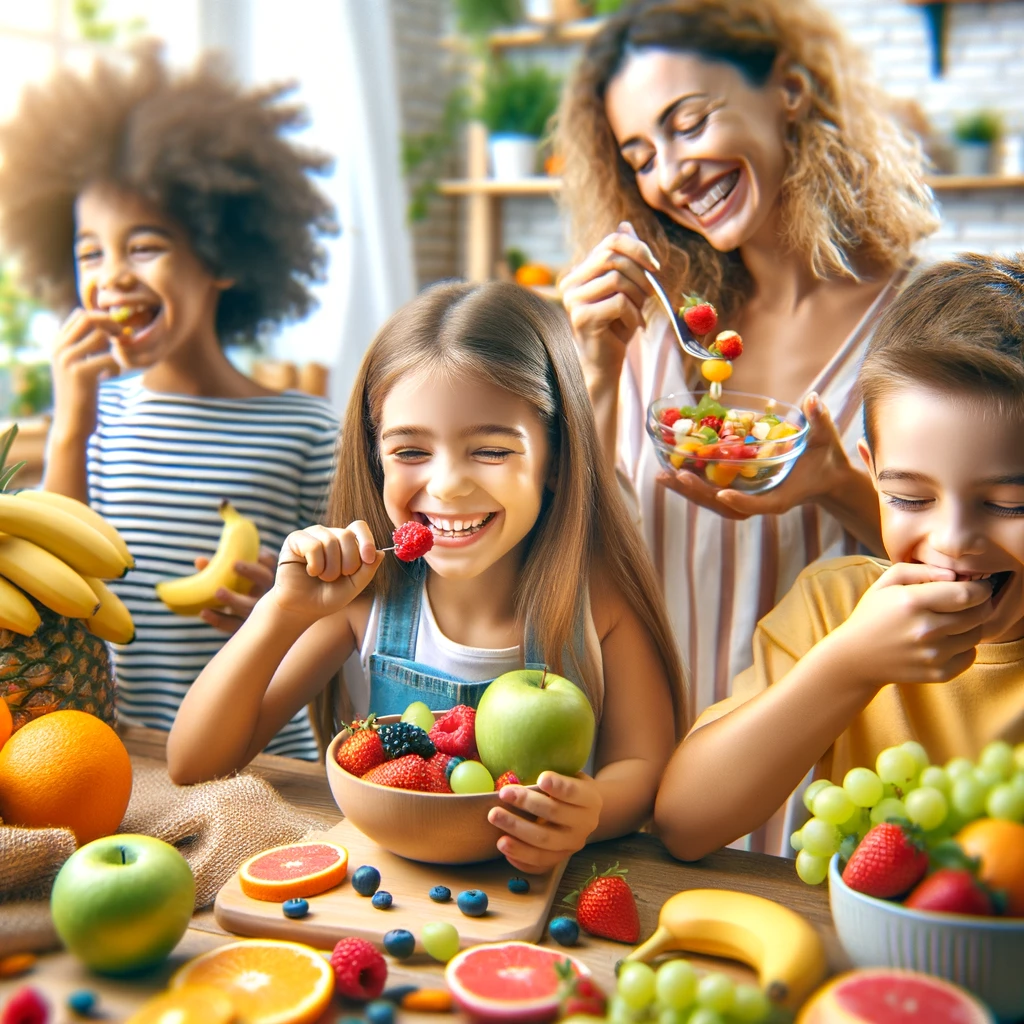
Hello, fellow parents! If you’ve found your way here, chances are you’re dealing with the age-old challenge of kids addicted to processed sugar. Fret not; you’re not alone. In this comprehensive guide, we’ll explore practical strategies and real-world tips on how to gradually wean your children off processed sugars and introduce them to the wholesome goodness of natural sugars from fruits. Not only will this be beneficial for their health, but it’ll also provide them with the sustained energy and vitality they need to flourish.
Differentiating Between Natural and Processed Sugars
Before embarking on the journey of transitioning your kids from processed sugar to natural fruit sugars, it’s essential to grasp the fundamental differences between these two sugar sources:
Natural Sugars from Fruits: The sugars naturally present in whole fruits, such as fructose, are intricately bound with dietary fiber, vitamins, minerals, and antioxidants. These components work in synergy to slow down the absorption of sugar in the bloodstream. As a result, the energy release is gradual and sustained, offering a steady source of vitality. Furthermore, the accompanying nutrients provide essential health benefits.
Processed Sugars: Processed sugars, on the other hand, are often added to a variety of packaged foods and beverages. These sugars offer no nutritional value and can lead to rapid spikes in blood sugar levels. The absence of dietary fiber means that they are swiftly absorbed, resulting in quick bursts of energy followed by energy crashes. Overconsumption of processed sugars can contribute to health issues like obesity, diabetes, and heart disease.
Educate your kids (and yourself!) about how the body processes sugar differently based on its source and you’ll empower them to make mindful choices about the foods they consume.
Why It’s Bad to Have Sugar Levels Spike
Having your sugar levels spike, especially frequently, can have negative effects on your health. Here’s why it’s considered detrimental:
- Energy Roller Coaster: Rapid spikes in blood sugar are often followed by crashes. This roller coaster effect can lead to mood swings, irritability, fatigue, and difficulty concentrating.
- Weight Gain: High sugar intake can contribute to weight gain. When blood sugar levels rise quickly, the body releases insulin to lower them. Insulin promotes fat storage, which can lead to obesity over time.
- Type 2 Diabetes: Frequent blood sugar spikes can increase the risk of developing type 2 diabetes. It can lead to insulin resistance, where the body’s cells don’t respond effectively to insulin, resulting in elevated blood sugar levels.
- Dental Issues: Sugary snacks and drinks are one of the leading causes of dental cavities in children. The bacteria in the mouth feed on sugar and produce acids that erode tooth enamel.
- Cardiovascular Problems: High sugar consumption is associated with an increased risk of heart disease. It can lead to higher levels of triglycerides, a type of fat in the bloodstream, which is a risk factor for heart issues.
- Fatty Liver Disease: Excessive sugar intake, particularly fructose, can lead to non-alcoholic fatty liver disease (NAFLD), a condition where fat accumulates in the liver.
- Inflammation: High sugar diets can contribute to chronic inflammation in the body, which is linked to various health problems, including autoimmune diseases and cancer.
- Behavioral and Mental Health Issues: Some children may experience behavioral issues and mental health challenges due to sugar spikes and crashes. These can include hyperactivity, anxiety, and even symptoms resembling attention deficit hyperactivity disorder (ADHD).
Do Your Kids East These High-Sugar Foods?
Common high-sugar foods:
- Sugary Cereals: Many breakfast cereals marketed to children are loaded with added sugars.
- Fruit Juice: Fruit juices, even those labeled as “100% fruit juice,” can contain as much sugar as soda.
- Yogurt: Flavored yogurts often have added sugars. Opt for plain yogurt and add fresh fruit for sweetness.
- Candy and Sweets: This one is obvious, but candies, gummies, and chocolates are high in sugar.
- Soda: Regular and diet sodas are full of sugar or artificial sweeteners. Both are best avoided.
Surprising high-sugar foods:
- Ketchup: Ketchup can contain a surprising amount of sugar. Check labels for lower-sugar options.
- Bread: Some bread, especially white bread, can contain added sugars.
- Fruit Snacks: These may seem healthy, but they often have concentrated fruit juice and added sugars.
- Granola Bars: Many granola bars marketed as health snacks are high in sugar.
- Spaghetti Sauce: Some jarred spaghetti sauces have added sugar for flavor.
- Instant Oatmeal: Flavored instant oatmeal can contain considerable sugar. Opt for plain oats and add your own toppings.
- Canned Fruit: Canned fruits are often preserved in sugary syrup.
- Salad Dressing: Certain salad dressings, especially those labeled as “sweet,” can be high in sugar.
- Processed Meats: Some processed meats, like certain types of ham or sausages, can contain added sugars.
- Flavored Milk: Flavored milks, like chocolate or strawberry, can be sugary.
It’s important for parents to read food labels and be aware of hidden sugars in various products to make informed choices for their children’s diets. Opting for whole, unprocessed foods and preparing meals at home can help control sugar intake and promote a healthier lifestyle.
Understanding and Identifying the Signs of Sugar Addiction
Sugar addiction in children can manifest in various ways, and it’s important to be vigilant and observant as a parent. Here are some signs to watch out for:
- Frequent Cravings: If your child often craves sugary foods, especially between meals, it could be a sign of sugar addiction. Frequent cravings may lead to persistent requests for sweets and treats.
- Mood Swings: Excessive sugar intake can lead to mood swings and irritability. If your child’s behavior becomes unpredictable or they have emotional outbursts, it might be related to sugar consumption.
- Energy Spikes and Crashes: Noticeable fluctuations in energy levels, where your child becomes hyperactive after consuming sugar and then crashes shortly after, can be an indicator of sugar addiction.
- Overconsumption: If your child consistently overindulges in sugary snacks and beverages, consuming larger quantities than recommended or losing control over their intake, this is a concerning sign.
- Preference for Sweet Foods: A strong preference for sugary foods over healthier options like fruits or vegetables is a clear sign of sugar addiction. Children may refuse nutritious foods in favor of sweets.
- Withdrawal Symptoms: When your child goes without sugar for a period of time, they may exhibit withdrawal symptoms, such as irritability, headaches, or cravings. This can be an indication of sugar dependency.
- Poor Dental Health: Frequent cavities and dental issues can be linked to excessive sugar consumption. Regular visits to the dentist can help identify dental problems related to sugar intake.
- Weight Gain: While not all children who consume sugary foods will experience weight gain, it can be a sign for some. If your child shows a significant increase in body weight, especially in a short period, it may be due to excessive sugar intake.
- Difficulty Concentrating: Sugar-induced energy spikes and crashes can make it challenging for children to concentrate or focus on tasks. If you notice a decline in academic performance or an inability to sit still, sugar may be a contributing factor.
- Digestive Issues: Excessive sugar can lead to digestive problems such as bloating, constipation, or diarrhea. Pay attention to any changes in your child’s digestive health.
- Sleep Disturbances: Consuming sugary foods close to bedtime can disrupt sleep patterns. If your child experiences frequent sleep disturbances or has trouble falling asleep, sugar intake might be a factor.
- Resistance to Healthy Foods: Children addicted to sugar may resist or refuse healthier food options, making it challenging to provide a balanced diet.
Identifying these signs early allows you to take proactive steps toward reducing sugar addiction in your children. Keep in mind that every child is unique, and some may exhibit only a few of these signs. If you suspect sugar addiction, it’s important to address it with empathy, understanding, and a plan for healthier alternatives.
Tips for Transitioning Away from Processed Sugar
- Gradual Reduction: Start by gradually reducing the amount of processed sugar in your child’s diet. For example, if they’re used to having sugary cereal for breakfast, mix it with a healthier, low-sugar cereal initially.
- Involve Kids in Cooking: Encourage your children to participate in meal preparation. When kids are involved in making food, they’re more likely to be excited about trying new, healthier options.
- Set a Positive Example: As a parent, your choices greatly influence your children. Model healthy eating habits by enjoying whole, unprocessed foods yourself.
- Educate and Communicate: Explain to your kids why you’re making these changes. Use age-appropriate language to teach them about the benefits of a balanced diet.
- Celebrate Small Wins: Recognize and celebrate the small victories along the way. When your child willingly chooses a piece of fruit over a sugary treat, acknowledge their healthy choice.
- Consistency is Key: Having processed sugar once in a while is fine, but make sure to keep it a rare occurrence. Once you transition to natural sugar snacks, stay there. Otherwise, you’ll send a confusing message to your kids.
- Read Labels: When buying packaged snacks, read food labels carefully. Choose products with little to no added sugars.
Remember that every child is different, and the transition may take time. It’s normal for kids to resist changes in their diet, so be patient and persistent. Over time, their taste buds will adjust, and they’ll develop a preference for the natural sweetness of fruits over processed sugars. One of my happy moments was allowing my daughter to have a non-vegan cupcake at a friend’s birthday party and seeing her spit it out, saying it to was too sweet. I felt relieved to know she preferred the fruit I brought with us!
By gradually reducing processed sugar and introducing whole, nutrient-rich foods, you’re setting the stage for a healthier future for your family. This journey toward reducing sugar intake can lead to improved overall well-being and a lifelong appreciation for wholesome foods.
Healthy Alternatives
- Dates and Raisins: Use dates and raisins in baking instead of refined sugar.
- Agave and Maple Syrup: These natural sweeteners can replace sugar and honey in recipes. Coconut sugar is another vegan alternative when baking!
- Fruit-Infused Water: Make hydration exciting by adding slices of fruits like citrus, berries, or cucumber to your family’s water bottles.
- Homemade Desserts: Bake homemade treats using fruit purees or applesauce as sweeteners.
- Whole Fruits: Incorporate whole fruits like apples, bananas, and berries into your child’s snacks and meals. They provide natural sweetness and essential nutrients.
- Homemade Smoothies: Make delicious smoothies using natural sweeteners like ripe bananas, berries, or a touch of honey (for kids over 1 year old). Blend them with non-dairy milk or yogurt for a nutritious treat.
- Fresh Fruit Popsicles: Freeze fruit juice or blend fruit with a little water and pour the mixture into popsicle molds for homemade, sugar-free popsicles. I use these popsicle molds and my kids love them! (Good for older kids too, not just babies!)
- DIY Trail Mix: Create a custom trail mix using unsweetened dried fruits, nuts, and seeds. This offers a satisfying mix of textures and flavors without added sugars.
- Nut Butter and Fruit: Spread almond or peanut butter on apple slices or banana halves. This combination is satisfying, nutritious, and sweet enough to satisfy cravings.
- Yogurt Parfait: Opt for plain, unsweetened yogurt and layer it with fresh fruit and a drizzle of agave or maple syrup for sweetness.
- Baked Oatmeal: Make baked oatmeal with rolled oats, mashed bananas, and a handful of raisins or chopped dates for a naturally sweet breakfast.
- Homemade Energy Bites: Create no-bake energy bites using ingredients like oats, nuts, dates, and cocoa powder. These bites are naturally sweet and a great source of energy.
- Fruit and Vegan Cheese: Pair fruit like grapes or apple slices with slices of vegan cheese. Miyoko is a favorite brand.
Handling Resistance to Reducing Processed Sugar
Dealing with resistance from your kids when trying to reduce their processed sugar intake is entirely normal. Here are some strategies to help you navigate this challenge:
- Open Dialogue: Initiate a conversation with your children about why you’re making these dietary changes. Use simple, age-appropriate language to explain the benefits, such as feeling more energetic, growing strong, and having fewer cavities.
- Give Choices: Allow your kids to have some control over their food choices. Present them with a selection of healthy snacks or meal options and let them choose. This empowers them and makes them feel involved in the process.
- Gradual Transition: Transitioning too quickly may lead to resistance. Start by replacing one sugary item per week with a healthier alternative. For example, replace soda with water one week and sugary cereals with oatmeal the next.
- Make It Fun: Turn healthy eating into a game or adventure. Challenge your kids to try a new fruit or vegetable each week and let them rate it. Consider starting a “fruit of the week” club to explore different flavors.
- Involve Them in Cooking: Engage your children in meal preparation. Kids are more likely to eat foods they’ve helped prepare. Let them wash, chop (under supervision), and assemble ingredients.
- Creative Presentation: Present healthy foods in an appealing way. Create colorful fruit salads, make vegetable kebabs, or arrange food into fun shapes. A visually appealing plate can be enticing for children.
- Positive Reinforcement: Praise your kids when they make healthy choices. Reinforce the idea that eating fruits and veggies is a great decision. Consider a reward system for making healthier choices.
- Lead by Example: As a parent, your eating habits greatly influence your children. Model the behavior you want to see. When they see you enjoying healthy snacks, they’re more likely to follow suit.
- Patience and Persistence: Be patient and don’t give up. It may take time for your kids to adjust to new flavors and textures. Continue offering healthy options and encouraging them to try.
- Limit Availability: Gradually reduce (and eventually eliminate) processed sugar-laden foods in your home. When these options are not available, your kids will choose healthier alternatives.
- Educational Resources: Utilize age-appropriate books, videos, or apps that teach kids about nutrition and the importance of healthy food choices. These resources can make learning fun and engaging.
- Peer Influence: Encourage playdates with friends who have healthy eating habits. Kids often mimic the behavior of their peers, so positive peer influence can be beneficial.
- Seek Support: If you encounter significant resistance or have concerns about your child’s nutrition, consider consulting a pediatric nutritionist or dietitian. They can provide expert guidance tailored to your child’s needs.
- Start New Traditions: Disconnect from old habits and routines that involve high-sugar foods but creating new ones. For example, instead of going out for ice cream on a sunny afternoon, bring a fruit picnic to a park. Add in lawn games or card games to make the experience fun and memorable.
Remember that resistance is a natural part of change, especially when it comes to dietary habits. Stay persistent, stay positive, and keep the lines of communication open. Over time, your children are likely to become more receptive to healthier choices and develop a preference for natural, nutritious foods over processed sugars.
Monitoring Progress and Celebrating Success
Tracking your children’s progress in reducing processed sugar is crucial for both you and them to stay motivated. Here are some ways to monitor their journey and celebrate their successes:
- Food Journal: Maintain a food journal for your children. Document what they eat each day, including snacks and beverages. This can help you identify patterns and areas for improvement.
- Sugar Counting: Keep a count of the sugar content in the foods your children consume. There are apps and websites that can assist in calculating sugar intake. This tangible measurement can help visualize progress.
- Regular Check-Ins: Have regular discussions with your kids about their feelings and experiences with the dietary changes. Ask them how they’re adjusting and if there are any foods they miss.
- Health Metrics: Track health metrics like energy levels, mood, and sleep quality. As your children consume less processed sugar, you may notice improvements in their overall well-being.
- Dental Check-Ups: Schedule regular dental check-ups. Reduced sugar intake can lead to fewer cavities and improved oral health. Positive feedback from the dentist can be a great motivator.
- Growth Chart: Monitor your children’s growth and development. Ensure they are growing at a healthy rate and meeting their developmental milestones. A balanced diet is essential for proper growth.
- Celebrate Milestones: Celebrate milestones along the way. When your child successfully reduces their sugar intake for a week or tries a new fruit, acknowledge and celebrate their achievement.
- Cooking Together: Continue involving your kids in cooking and meal preparation. As they gain culinary skills, they can take pride in creating healthier dishes.
- Positive Encouragement: Offer positive reinforcement and praise when they make healthy choices. Compliment their efforts and let them know you’re proud of their progress.
- Reward System: Consider a reward system for reaching specific goals. Rewards could be non-food-related, such as a special outing, extra playtime, or a small gift.
- Educational Activities: Engage in educational activities related to nutrition. Visit a local farm, plant a small garden, or attend nutrition-focused events. These experiences can reinforce the importance of healthy eating.
- Supportive Environment: Create a supportive home environment. Ensure that healthy snacks and options are readily available. Make it easy for your kids to choose nutritious foods.
- Family Participation: Make reducing processed sugar a family endeavor. When everyone is involved, it can be easier for kids to adapt to dietary changes.
- Consult Professionals: If you have concerns about your children’s nutrition or health, consult with healthcare professionals, such as pediatricians or dietitians. They can provide guidance and reassurance.
- Document Progress: Take photos of healthy meals and snacks your children enjoy. Create a visual diary of their journey, showcasing the variety of nutritious foods they’re exploring.
Remember that progress may be gradual, and setbacks can occur. It’s essential to maintain a positive and supportive atmosphere throughout the process. By monitoring progress and celebrating small victories, you’ll help your children develop a lifelong appreciation for natural, wholesome foods while reducing their reliance on processed sugars.
To further support your journey toward a sugar-conscious family lifestyle, explore these online resources for comprehensive information and guidance:
- American Heart Association – Sugar 101: An extensive resource explaining various aspects of sugar in the diet, including tips for reducing sugar intake.
- Harvard T.H. Chan School of Public Health – The Sweet Danger of Sugar: An in-depth exploration of the harmful effects of sugary beverages and the benefits of choosing healthier alternatives.
A Sweet New Beginning
By gradually transitioning your kids from processed sugar to natural sugars from fruits, you’re setting them on a path to better health and lifelong habits. Remember, it’s a journey, not a race. Celebrate every step forward and savor the sweet success of nurturing a healthier, happier family.
Conclusion: It’s never too late to kick the sugar habit and embark on a journey to better health for your kids. With patience, education, and creative alternatives, you can guide them toward enjoying the natural sweetness of fruits while leaving processed sugars behind. Your family’s future is filled with vitality, and this change will positively impact their well-being for years to come. Your efforts today will shape a brighter tomorrow for your entire family.
Happy and Healthy Parenting!
Remember, you’ve got this, and the benefits are sweeter than you can imagine! 🍏🍇🍊
Stay connected with our community for more guidance on raising a healthy and compassionate family. Join our newsletter for regular updates and support. Together, we’ll make this journey fun, delicious, and fulfilling.
Sign up for our newsletter to start your family’s wellness journey today!
 Kristyn Medeiros