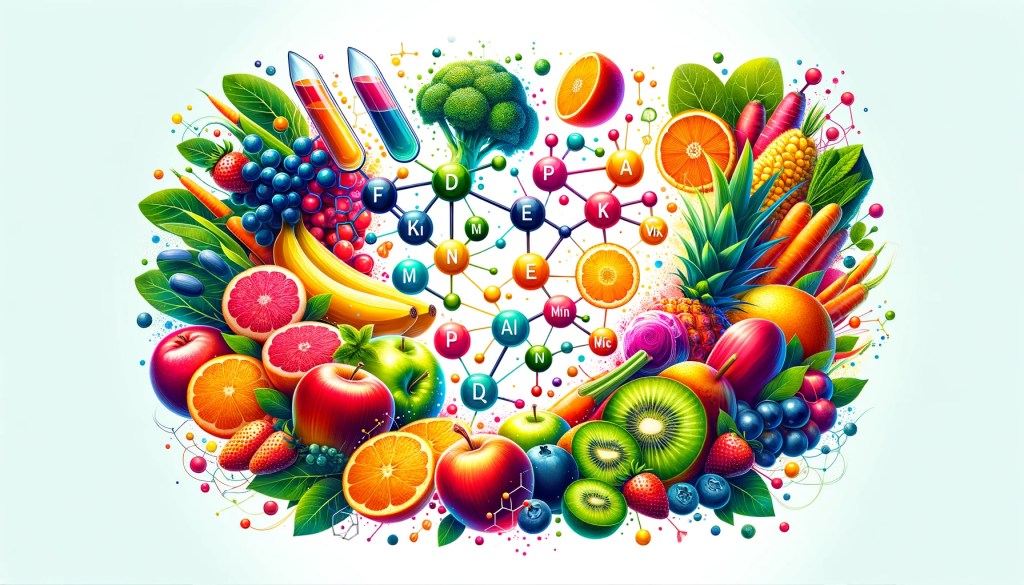
Hey there, health enthusiasts and curious minds! 🌈 Ever find yourself in a tug-of-war between choosing plant-based proteins and sticking with traditional meat and dairy? You’re not alone! The world of nutrition is vast and sometimes, downright puzzling. But fear not! We’re here to shed light on the nitty-gritty of how our bodies absorb nutrients from vegan diets compared to meat and dairy. So, buckle up for a fun, fact-filled ride that promises to enlighten without the overwhelm. Let’s jump right in!
The Lowdown on Protein Absorption 🥦 vs. 🥩
Protein – it’s the celebrity of the nutrient world, and for good reason! But here’s a twist: studies suggest that our bodies embrace plant-based proteins with more love than their animal counterparts. Wait, what? 🤯 Yes, you heard that right!
Plant-Based Proteins: A Closer Look
When you consume protein from plants, you’re not just getting protein. You’re inviting a whole party of nutrients and fiber into your system because protein in plants is bundled together with a bunch of other good-for-you nutrients. This is crucial because fiber plays a significant role in not just digestion but also in how effectively our bodies can absorb and utilize nutrients. Plus, plant proteins come with less saturated fat and none of the cholesterol found in animal products – a win-win for our health!
The Magic of Amino Acids
All proteins, whether from plants or animals, are made up of amino acids – the building blocks of life. While animal proteins contain all essential amino acids your body needs, plant-based diets require a mix and match of sources to hit all those amino acid goals. But here’s where it gets interesting: the variety needed in a vegan diet encourages a broader spectrum of nutrients, making your meals not just a protein fest, but a holistic nutrient bonanza. So good! 🌟
While animal proteins are often lauded for their “complete” status, meaning they contain all essential amino acids, this comes with a baggage of saturated fats and cholesterol, which negatively impact heart health and other bodily functions.
Digesting meat and dairy is taxing on the body. These foods lack fiber, a crucial element for gut health and efficient digestion. The absence of fiber in animal products can lead to slower digestive processes, potentially resulting in discomfort and reduced nutrient absorption efficiency. This contrasts sharply with plant-based diets, rich in fiber, which naturally promote gut health and smooth digestion, facilitating a more efficient absorption of nutrients.
Vitamin and Mineral Showdown: Plant vs. Animal 🌿💪
Navigating through vitamins and minerals, the vegan diet shines bright with a spectrum of these essential nutrients, naturally occurring in fruits, vegetables, nuts, seeds, and legumes. Let’s decode some key players:
Iron: Spinach vs. Steak 🍃🥩
Iron, a crucial mineral for our blood and energy levels, presents itself in two main forms in our diet: heme iron from animal sources and non-heme iron from plants. While it’s true that heme iron found in steak is absorbed more efficiently by our bodies, the story doesn’t end there. Non-heme iron, abundant in spinach and other leafy greens, pairs beautifully with vitamin C to dramatically boost its absorption. A colorful salad of bell peppers and spinach not only meets your iron needs but does so without the added saturated fats associated with red meat. So, next time you’re pondering your iron intake, remember that a plant-based option can be just as effective, especially when you brighten it up with some vitamin C-rich foods! 🥗
Calcium: Kale vs. Milk 🥬🥛
Who said you could only get your calcium from the dairy aisle? Mother Nature offers her own calcium-rich bounty. Kale, along with almonds and fortified plant milks, stands tall as a formidable source of this bone-building mineral. Opting for these plant-based sources brings a plethora of additional benefits to the table, including dietary fiber and vital antioxidants, all while leaving behind the saturated fats and potential hormones found in dairy products. Integrating kale and similar nutrient-dense foods into your diet ensures you’re not just meeting your calcium needs but also embracing a holistic approach to health. 🌿
Omega-3s: Flaxseeds vs. Fish 🌾🐟
Omega-3 fatty acids are the superstars of heart health and brain function, and while fish has long been revered as a prime source, flaxseeds offer a powerful plant-based alternative. These tiny seeds are packed with ALA (alpha-linolenic acid), a type of omega-3 that the body can convert to EPA and DHA—the forms readily found in fish. Incorporating flaxseeds into your diet, whether sprinkled over your morning oatmeal or blended into smoothies, ensures you’re fueling your body with essential fats, minus the environmental and ethical concerns tied to fishing. So, for a sustainable twist on omega-3s, flaxseeds are your go-to. 🌾
Vitamin D: Sunshine vs. Supplements ☀️💊
Vitamin D, famously dubbed the “sunshine vitamin,” plays a pivotal role in bone health, immune support, and mood regulation. While basking in sunlight allows our skin to synthesize this essential nutrient, dietary sources become crucial, especially in less sunny locales. For the plant-based enthusiasts, fortified foods like plant milks and certain mushrooms exposed to UV light can be golden tickets to meeting Vitamin D requirements, bypassing the need for animal-based sources such as fish and eggs. These plant-derived options ensure you soak up all the Vitamin D goodness without stepping outside. ☀️
Zinc: Legumes vs. Meat 🌱🥩
Zinc is a superhero mineral essential for immune function and DNA synthesis, playing a starring role in over 300 enzymatic reactions in the body. While meats are heralded for their zinc content, plant heroes like legumes, nuts, and seeds are not to be underestimated. Chickpeas, lentils, and pumpkin seeds, in particular, are not only rich in zinc but also come with the added benefits of fiber and other essential nutrients. Embracing these plant-based zinc sources means you’re not just hitting your mineral marks; you’re also supporting a happy gut and a healthy heart. 🌿
Vitamin A: Carrots vs. Liver 🥕🍖
Vitamin A takes center stage when it comes to vision, growth, and immune health. Found in two forms—preformed vitamin A in animal products and provitamin A in plants—this nutrient is versatile. Carrots and other colorful veggies offer beta-carotene, a provitamin A that our bodies convert as needed, ensuring we get our vitamin A fix safely and deliciously. This plant-powered approach not only sidesteps the risks associated with high intake of preformed vitamin A (found abundantly in liver and other animal sources) but also paints our plates with the vibrant hues of health. 🥕
Busting Myths with Facts and Figures 📊🌱
The shift towards veganism is often met with skepticism, particularly around the topics of protein and nutrient sufficiency. However, a growing body of research not only debunks these myths but also illuminates the comprehensive health benefits of a plant-based diet. Let’s unpack the facts:
Protein Quality and Quantity
- Research Overview: A landmark study published in the American Journal of Clinical Nutrition revealed that plant protein can meet protein requirements when a variety of plant foods are consumed and energy needs are met. Moreover, plant-based diets are associated with lower risks of heart disease, high blood pressure, type 2 diabetes, and certain cancers.
- Protein Absorption: Contrary to the myth that plant proteins are inferior, the truth is that the body can combine different plant proteins to form complete proteins. The key is consuming a varied diet. Unlike animal proteins, plant proteins come without harmful saturated fats and cholesterol, which can exacerbate heart disease and other health issues.
Nutrient Absorption and Health Benefits
- Fiber and Nutrient Rich: Plant-based diets are naturally high in dietary fiber, a nutrient absent in animal products. Fiber aids in digestion, helps regulate blood sugar levels, and supports heart health. A comprehensive review in Nutrition Reviews highlighted that high fiber intakes are associated with significantly lower risks of developing coronary heart disease, stroke, hypertension, diabetes, obesity, and certain gastrointestinal diseases.
- Vitamins and Minerals: Plants are rich sources of vitamins and minerals necessary for optimal health, including vitamins C, E, and magnesium. These nutrients not only support bodily functions but also improve the body’s ability to absorb and utilize other nutrients effectively. For example, vitamin C enhances iron absorption from plant sources, making it more bioavailable.
The Downside of Animal Products
- Cholesterol and Saturated Fat: Animal products are the primary sources of saturated fats and dietary cholesterol in the diet. The Journal of the American Heart Association published findings linking high intake of these fats with increased risk of heart disease. Unlike plant foods, animal products do not contain fiber, which is crucial for heart and digestive health.
- Long-term Health Risks: Consuming red and processed meats is linked to increased risks of heart disease, type 2 diabetes, and certain types of cancer, including colorectal cancer. The World Health Organization has classified processed meats as a Group 1 carcinogen, meaning there’s strong evidence that they can cause cancer.
- Sustainability: A vegan diet is not only beneficial for individual health but also for the planet. The United Nations Environment Programme has identified meat and dairy production as major contributors to climate change, deforestation, and water depletion. Adopting a plant-based diet can significantly reduce one’s carbon footprint and support environmental sustainability.
Wrapping It Up with a Bow 🎀
The evidence is clear: a vegan diet offers a nutritional profile that supports long-term health, improves nutrient absorption, and reduces the risk of many chronic diseases. By choosing a variety of plant-based foods, individuals can meet all their nutritional needs without the negative health impacts associated with animal fats and cholesterol. Furthermore, veganism promotes a more sustainable and ethical way of living, aligning personal health benefits with global environmental goals. 🌍 ❤
Here’s to making every meal an adventure in health and happiness. Cheers to your plant-powered journey! 🥂🌱
 Kristyn Medeiros