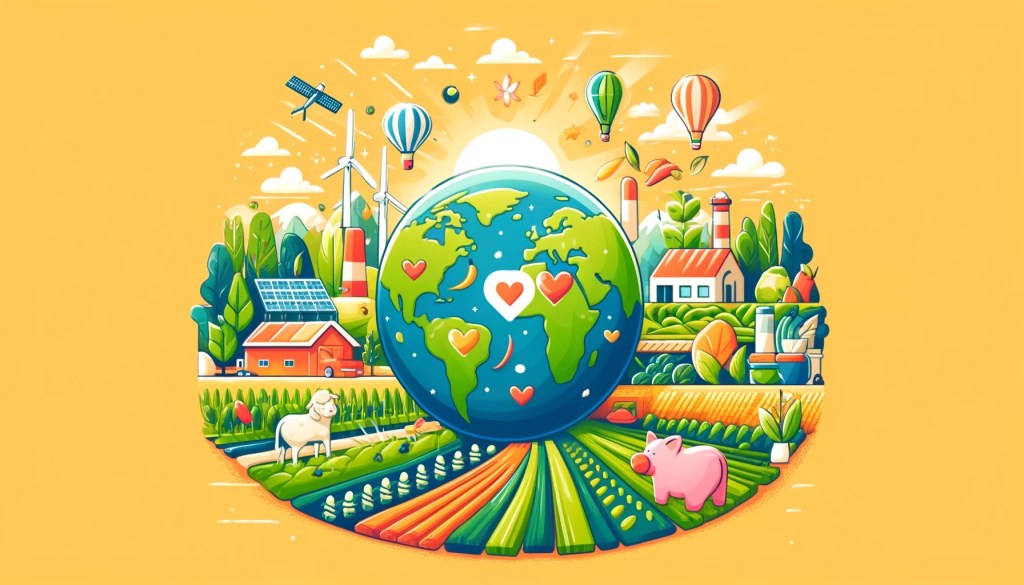
Hello, beautiful souls! Today I want to talk about an important topic. In recent years, the conversation around climate change has intensified, with various industries scrutinized for their environmental impact. Among the solutions proposed, transitioning to a vegan diet emerges as a profoundly effective action individuals can take to reduce their carbon footprint. In this comprehensive exploration, we delve into why adopting a vegan lifestyle isn’t just a dietary choice but a necessary step toward combating climate change.
The Impact of Meat and Dairy on the Environment
The production of meat and dairy is one of the largest contributors to greenhouse gas (GHG) emissions globally. According to the Food and Agriculture Organization of the United Nations, livestock accounts for nearly 14.5% of all anthropogenic GHG emissions. Ruminant animals, such as cows, are significant producers of methane, a potent greenhouse gas with 25 times the global warming potential of carbon dioxide over a 100-year period.
The environmental impact of these industries extends beyond emissions. For instance, livestock farming is a major driver of deforestation, particularly in the Amazon rainforest. This not only contributes to carbon emissions but also to the loss of biodiversity. The World Bank reports that livestock occupies over 30% of the planet’s land surface area, and livestock and feed crops are the reason for a third of global deforestation.
Water Woes and Plant-Based Solutions
Water scarcity is another critical issue exacerbated by meat and dairy production. It takes about 4,070 gallons of water to produce just one pound of beef compared to 85 gallons for one pound of vegetables. Switching to a plant-based diet can drastically reduce your water footprint. A study from the University of Oxford found that adopting a vegan diet could reduce an individual’s water footprint by up to 55%.
A Dive into Dietary Changes
Transitioning to a vegan diet involves replacing meat and dairy with plant-based foods, which generally have lower carbon footprints. A comprehensive analysis published in “Science” stated that moving away from animal-based foods could reduce food’s emissions by up to 73% globally. This is not only due to decreased methane output but also because plant-based food production typically requires less energy input.
Personal Health and Global Benefits
The benefits of veganism extend to health improvements. Studies have consistently shown that a well-planned vegan diet can provide all the necessary nutrients required for a healthy life, and can reduce the risk of chronic diseases such as heart disease, diabetes, and cancer.
How to Get Started with Veganism
Transitioning to veganism can seem daunting, but it’s easier today than ever before. Here are some steps to begin:
- Educate Yourself: Resources like “The Vegan Starter Kit” by Neal D. Barnard, M.D., provide essential information to help new vegans.
- Incorporate More Plant-Based Foods Gradually: Start with familiar dishes like pasta, curries, and salads, substituting meat with legumes or tofu.
- Connect with Community: Join local or online vegan groups to share experiences and get support.
- Plan Your Meals: This ensures you get a variety of nutrients and stay motivated.
Tools and Apps to Assist
Several apps can help manage your transition:
- HappyCow: Finds vegan restaurants worldwide.
- Is It Vegan?: A barcode scanner app to check product ingredients.
- 21-Day Vegan Kickstart: An app offering daily recipes and tips from nutrition experts.
Concluding Thoughts
Adopting a vegan diet is a powerful step toward mitigating climate change. It reduces the strain on the environment by lowering GHG emissions, decreasing deforestation, and conserving water. Furthermore, it promotes a healthier lifestyle. By making this change, you’re not just altering a diet; you’re participating in a global movement towards a more sustainable and ethical future.
Encouraging Action
Every meal choice can be a step towards a healthier planet. By choosing plant-based options, you’re voting for a sustainable future with every bite. Whether you decide to go completely vegan or start by incorporating more plant-based meals into your diet, each action you take makes a difference in the global fight against climate change.
 Kristyn Medeiros