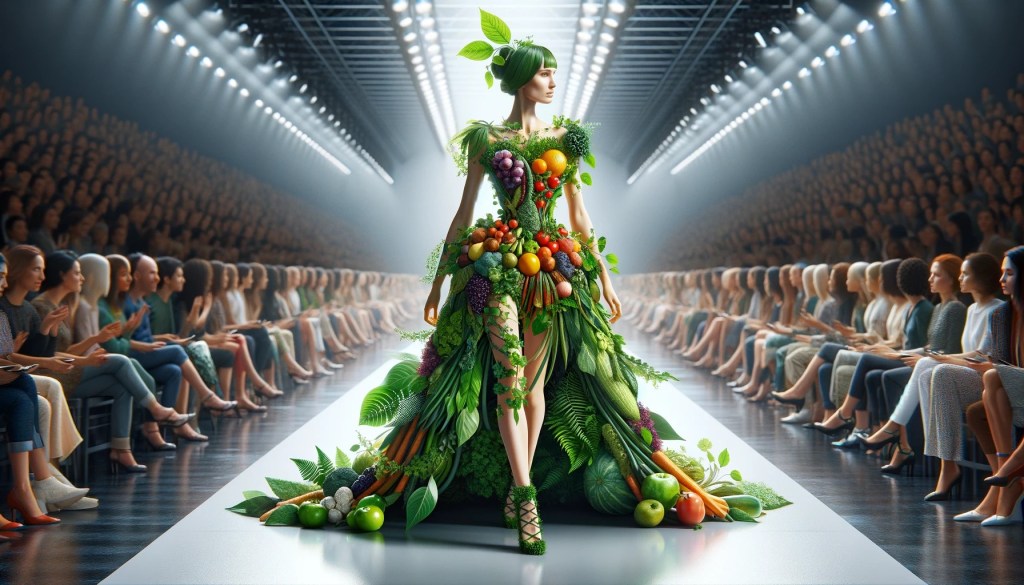
Hey there, fashion-forward friends! Have you ever wondered how your stylish choices could impact the planet and its critters? Well, let’s dive into the colorful world of vegan fashion. It’s not just a fad—it’s a powerful way to say “Hey, I care!” about animal rights and keeping our planet green. Let’s unpack what this all means, spotlight some cool brands leading the way, and explore the materials that make vegan fashion both chic and earth-friendly.
The Rise of Vegan Fashion
So, what’s vegan fashion all about? In short, it’s fashion minus the cruelty. No leather, silk, wool, or any material that hurts our furry or feathery friends. It’s part of a bigger push towards clothes that aren’t just gorgeous but are kinder to our planet. More and more of us want to know where our clothes come from and that nobody’s getting a raw deal—not the planet, not animals, and not people.
Leading Brands in Vegan Fashion
Let’s shout out some trailblazers who are proving that fashion can be fabulous without the fuss:
- Stella McCartney – A true pioneer, Stella’s been all-in with luxury that doesn’t cost the earth. She mixes high style with high ethics, using cool stuff like recycled materials and organic cotton. Visit Stella McCartney
- Matt & Nat – These guys are the wizards of accessories, turning recycled bits and bobs into vegan leather bags that are the toast of the town. Explore Matt & Nat
- Reformation – Feminine, flirty, and eco-friendly, Reformation turns sustainable materials into the dresses and outfits you’ve been dreaming about. Check out Reformation
Innovative Materials Shaping Vegan Fashion
Thinking of materials, vegan fashion is all about creativity. Here’s the scoop on some of the coolest stuff out there:
- Plant-Based Leathers: These are amazing! Think leather but made from apples, pineapples (hello, Piñatex!), and even mushrooms (yep, Mylo). It’s all about turning what might be trash into trendy treasures.
- Recycled Plastics: Now, these are technically vegan, but there’s a catch. They come from old plastic, which is great for recycling, but they can be a bit of a headache when it comes to pollution, especially those pesky microfibers.
- Organic Cotton and Hemp: Oldies but goodies, these plant pals use less water and nasty chemicals than traditional cotton. They’re kind to the earth and kind to you.
What’s the Deal with Microfiber Shedding?
Alright, let’s break down this microfiber mystery. When we wash synthetic materials (like those recycled plastics), tiny fibers—microfibers—can wash out and end up in rivers and oceans. Not cool, right? They’re too tiny to be caught by most filters, and they can be a real problem for aquatic life.
Environmental Impact and Ethical Considerations
Choosing vegan fashion is definitely a step in the right direction for our planet. It generally uses less water and creates fewer emissions than traditional methods. But like any good story, it’s not all straightforward—there are energy costs to consider, and some synthetic alternatives can still impact the environment. That’s why it’s important to look for brands that are transparent about their processes and are working to minimize their footprints.
Looking Ahead: The Future of Vegan Fashion
The horizon for vegan fashion looks nothing short of spectacular. As we lean into a more conscious era, this niche market is blossoming into a mainstream powerhouse, redefining what it means to be stylish and sustainable. Here’s a peek at some of the exhilarating developments we can expect as more brands jump on the vegan bandwagon.
Innovative Material Breakthroughs: Researchers and designers are in a thrilling race to discover the next best eco-friendly material. From lab-grown leather made from yeast cells to algae-based fabrics that absorb carbon from the atmosphere, the potential for new materials is virtually limitless. These advancements promise not only to reduce fashion’s footprint but also to enhance the functionality of garments—imagine workout clothes that help cool you down or jackets that can dramatically adjust to weather conditions.
Technological Enhancements: Technology is set to play a huge role in vegan fashion’s future. With the rise of 3D printing, for instance, brands are looking at ways to produce shoes and accessories without waste. This method allows for precise customization, reducing overproduction and material waste. Moreover, blockchain technology offers a transparent way for consumers to trace the lifecycle of their clothing, ensuring that every item is sustainably sourced and ethically made.
Circular Fashion Models: Circular fashion is gaining momentum as the next step in sustainable fashion. Brands are innovating with recycling programs where customers can send back old items for a discount on new purchases. These old pieces are then recycled or upcycled into new products, minimizing waste and extending the life cycle of materials. Companies like H&M and Zara have started to implement these models, and vegan brands are expected to follow suit, pushing the envelope even further.
Global Expansion and Accessibility: As vegan fashion gains popularity, it’s becoming more accessible. Brands are expanding their reach, ensuring that eco-friendly options are available worldwide, not just in niche markets. This expansion is accompanied by a range of price points, making sustainable fashion accessible to a broader audience and not just a luxury commodity.
Collaborations and Cross-Industry Partnerships: Exciting collaborations between vegan fashion brands and traditional fashion houses are expected to emerge. These partnerships will help infuse vegan principles into mainstream fashion and vice versa, expanding the market reach of sustainable practices. Additionally, collaborations with tech companies, biotech firms, and universities are facilitating research into new materials and methods, speeding up the pace of innovation in the sector.
Regenerative Practices: Beyond sustainability, the future of vegan fashion is regenerative. This means practices that not only minimize harm but actively improve the environment. Brands are exploring how fashion can help regenerate soils, clean the oceans, and restore natural habitats. The use of regenerative agricultural practices for growing natural fibers like organic cotton and hemp is a prime example, helping to detoxify farmlands and increase biodiversity.
The journey ahead for vegan fashion is filled with promise and potential. As we continue to innovate and push the boundaries of what’s possible, each step forward makes a significant difference. By choosing vegan, you’re not just opting out of animal products; you’re stepping into a new era of fashion that honors and preserves our planet. So, let’s gear up and get excited for a future where fashion is fair, fabulous, and fundamentally kind to all.
 Kristyn Medeiros