Hey there, amazing parents! 🌿
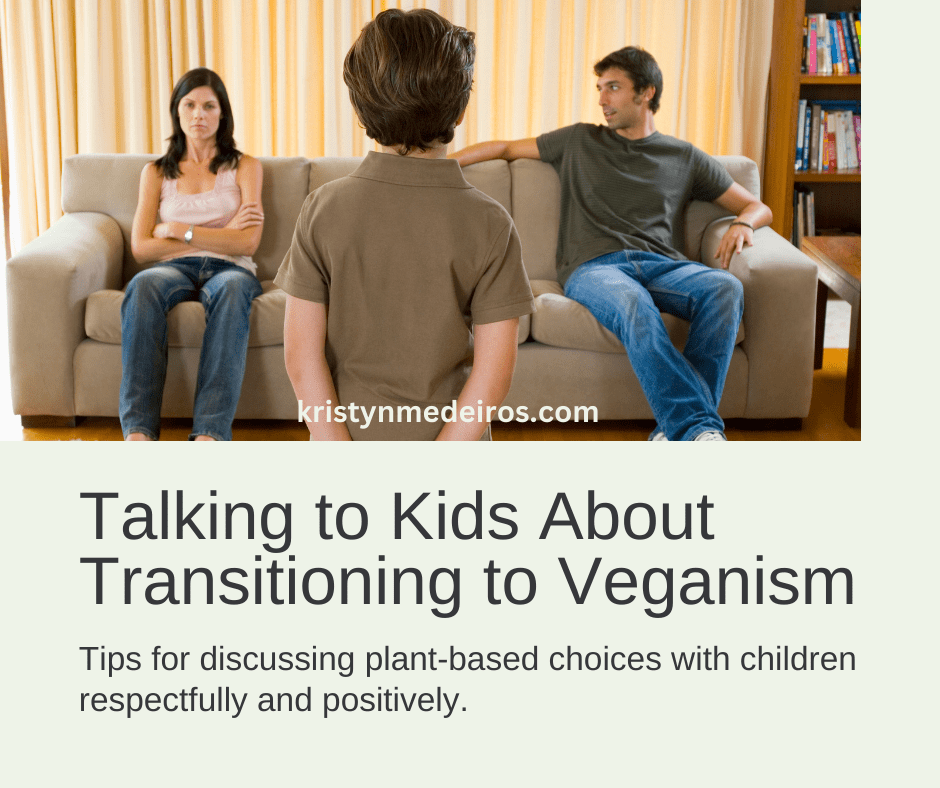
Thinking about making the switch to a vegan lifestyle but not sure how to talk to your kids and partner about it? You’re not alone. Transitioning to veganism can be a big change for the whole family, and it’s essential to approach the conversation with empathy, patience, and a good dose of fun. Today, we’re diving into how to talk to your kids (and your partner) about transitioning to veganism, with tips for both young children and older teens. Let’s get started!
Why Consider a Vegan Lifestyle?
Before we jump into the how-tos, let’s chat about why you might be considering veganism for your family. There are plenty of great reasons to make the switch:
- Health Benefits: A well-planned vegan diet is rich in nutrients, fiber, and antioxidants, promoting overall health and well-being.
- Animal Welfare: Veganism supports the humane treatment of animals by avoiding animal products and byproducts.
- Environmental Impact: Plant-based diets have a lower carbon footprint and use fewer resources like water and land compared to animal-based diets.
- Ethical Considerations: Many choose veganism to align their lifestyle with their values of compassion and sustainability.
Talking to Young Kids About Veganism
1. Keep It Simple and Positive
When talking to young children about veganism, simplicity and positivity are key. Use age-appropriate language and focus on the benefits.
Explanation: “We’re going to start eating more fruits, vegetables, and other yummy foods that help keep our bodies healthy and strong. It’s also really good for the animals and the planet!”
2. Use Storytelling and Books
Kids love stories, so why not use them to explain veganism? There are plenty of children’s books that introduce plant-based living in a fun and engaging way.
Recommended Books:
- “V is for Vegan: The ABCs of Being Kind” by Ruby Roth
- “Vegan Is Love: Having Heart and Taking Action” by Ruby Roth
- “Herb, the Vegetarian Dragon” by Jules Bass
3. Involve Them in the Kitchen
Get your kids excited about veganism by involving them in meal prep. Let them help with washing veggies, mixing ingredients, and even picking out recipes.
Activity: DIY Pizza Night
- Provide whole grain pizza crusts, tomato sauce, and a variety of veggies.
- Let your kids build their own pizzas with their favorite toppings.
4. Make It Fun with Food Art
Turn mealtime into a creative activity by making food art. Use fruits, veggies, and other plant-based ingredients to create fun and colorful plates.
Idea: Animal Faces
- Use sliced fruits and veggies to create faces of animals on their plates. A banana slice can be a smile, blueberries can be eyes, and apple slices can be ears.
Talking to Older Kids and Teens About Veganism
1. Educate and Empower
Older kids and teens can understand more complex ideas, so take the time to educate them about the reasons behind the transition to veganism. Discuss health benefits, animal welfare, and environmental impact.
Discussion Points:
- Health: Explain how a plant-based diet can improve energy levels, skin health, and overall well-being.
- Ethics: Discuss the ethical reasons for avoiding animal products, including the treatment of animals in factory farms.
- Environment: Talk about how reducing meat and dairy consumption can help combat climate change and conserve resources.
2. Watch Documentaries Together
Documentaries can be a powerful tool for educating older kids and teens about veganism. Watch them together and have a discussion afterward.
Recommended Documentaries:
3. Involve Them in Meal Planning
Give older kids and teens more responsibility by involving them in meal planning. Let them choose recipes, make grocery lists, and help with cooking.
Activity: Weekly Meal Planner
- Sit down together and plan out a week’s worth of vegan meals. Let them pick a few recipes they’re excited to try.
4. Address Concerns and Preferences
Older kids and teens might have concerns about going vegan, such as missing their favorite foods or feeling left out. Address these concerns by finding vegan alternatives and ensuring their favorite dishes are part of the menu.
Solutions:
- Favorite Foods: Find vegan versions of their favorite foods, like burgers, pizza, and ice cream.
- Social Situations: Discuss how to handle social situations, like eating out or attending parties, by looking for vegan-friendly options.
Talking to Your Partner About Veganism
1. Share Your Reasons
When talking to your partner about transitioning to veganism, start by sharing your reasons. Whether it’s health, ethics, or the environment, explain why this change is important to you.
Explanation: “I’ve been learning a lot about the benefits of a plant-based diet, not just for our health but also for the environment and animals. I think it’s something we should consider for our family.”
2. Be Respectful and Understanding
Your partner might have concerns or reservations about going vegan. Be respectful and understanding, and encourage an open and honest conversation.
Approach: “I understand that this is a big change and you might have some concerns. Let’s talk about them and find a way to make this work for both of us.”
3. Suggest Trying It Together
Propose trying veganism together for a set period, like a month. This way, your partner can experience the benefits firsthand without feeling pressured to make a permanent change immediately.
Proposal: “Why don’t we try eating vegan for a month and see how we feel? We can explore new recipes and see if it’s something that works for us.”
4. Find Common Ground
Focus on finding common ground and compromise. Maybe your partner isn’t ready to go fully vegan but is open to incorporating more plant-based meals into your diet.
Solution: “Let’s start by having a few vegan meals each week and see how it goes. We can gradually add more if we both enjoy it.”
Practical Tips for a Smooth Transition
1. Start Gradually
Transitioning to veganism doesn’t have to happen overnight. Start by making small changes, like replacing cow’s milk with almond milk or having one meatless meal a day.
Example Gradual Changes:
- Week 1: Replace dairy milk with plant-based milk.
- Week 2: Have one meatless meal per day.
- Week 3: Try a vegan breakfast every day.
2. Stock Your Pantry
Make sure your pantry is stocked with vegan staples, like beans, lentils, grains, nuts, seeds, and a variety of herbs and spices. This makes meal prep easier and ensures you always have ingredients on hand.
Pantry Staples:
- Quinoa, brown rice, oats
- Chickpeas, black beans, lentils
- Almond butter, tahini, sunflower seeds
- Nutritional yeast, soy sauce, garlic powder
3. Find Vegan Alternatives
Look for vegan alternatives to your favorite foods. From plant-based burgers to dairy-free cheese, there are plenty of options that make the transition smoother.
Alternatives:
- Cheese: Try brands like Daiya, Follow Your Heart, or Violife.
- Milk: Almond milk, soy milk, oat milk.
- Meat: Beyond Meat, Impossible Foods, tofu, tempeh, lentils, mushrooms.
4. Embrace New Recipes
Explore new recipes and cuisines to keep things exciting. Try dishes from different cultures that are naturally vegan or can be easily veganized.
Cuisines:
- Mediterranean: Hummus, falafel, tabbouleh.
- Asian: Stir-fries, sushi with veggies, tofu dishes.
- Mexican: Bean tacos, guacamole, vegetable fajitas.
Menu Ideas for Family Meals
To get you started, here are some delicious vegan meal ideas that are sure to please the whole family:
Breakfast
1. Vegan Pancakes
Ingredients:
- 1 cup flour
- 1 tbsp sugar
- 2 tbsp baking powder
- 1/8 tsp salt
- 1 cup plant-based milk
- 2 tbsp vegetable oil
Instructions:
- In a bowl, mix flour, sugar, baking powder, and salt.
- Add plant-based milk and vegetable oil, stirring until smooth.
- Heat a non-stick pan and pour batter to form pancakes.
- Cook until bubbles form, then flip and cook until golden brown.
2. Smoothie Bowls
Ingredients:
- 2 bananas (frozen)
- 1 cup frozen berries
- 1/2 cup spinach
- 1 cup almond milk
- Toppings: granola, sliced fruit, chia seeds, coconut flakes
Instructions:
- In a blender, combine bananas, berries, spinach, and almond milk. Blend until smooth.
- Pour into bowls and let your kids add their favorite toppings.
Lunch
1. Veggie Wraps
Ingredients:
- Whole grain tortillas
- Hummus
- Bell peppers, sliced
- Cucumbers, sliced
- Carrots, shredded
- Spinach leaves
Instructions:
- Spread hummus on the tortilla.
- Add bell peppers, cucumbers, carrots, and spinach.
- Roll up the tortilla and cut in half.
2. Lentil Soup
Ingredients:
- 1 cup lentils
- 1 onion, chopped
- 2 carrots, chopped
- 2 celery stalks, chopped
- 4 cups vegetable broth
- 1 tsp thyme
- 1 tsp cumin
- Salt and pepper to taste
Instructions:
- In a large pot, sauté onion, carrots, and celery until soft.
- Add lentils, vegetable broth, thyme, cumin, salt, and pepper.
- Bring to a boil, then simmer for 30 minutes.
Dinner
1. Veggie Stir-Fry
Ingredients:
- 2 cups mixed vegetables (broccoli, bell peppers, snap peas)
- 1 block tofu, cubed
- 2 tbsp soy sauce
- 1 tbsp sesame oil
- 1 tbsp ginger, minced
- 2 cloves garlic, minced
- Cooked rice
Instructions:
- In a pan, heat sesame oil and sauté garlic and ginger.
- Add tofu and cook until golden brown.
- Add mixed vegetables and soy sauce, stirring until vegetables are tender.
- Serve over cooked rice.
2. Vegan Tacos
Ingredients:
- 1 can black beans, drained and rinsed
- 1 cup corn
- 1 avocado, sliced
- Salsa
- Soft tortillas
Instructions:
- In a bowl, mix black beans and corn.
- Warm the tortillas in a pan.
- Fill tortillas with the bean and corn mixture, avocado slices, and salsa.
Final Thoughts
Talking to your kids and partner about transitioning to veganism can be a rewarding experience that brings your family closer together. By approaching the conversation with empathy, understanding, and a dash of creativity, you can make the transition smooth and enjoyable for everyone.
Remember to keep things positive, involve your family in the process, and find delicious vegan alternatives to their favorite foods. With these tips and strategies, you’re well on your way to creating a happy, healthy, and compassionate vegan household.
Got any tips for talking to your family about veganism? Share them in the comments below! Let’s keep the conversation going and support each other on this plant-powered journey.
Happy transitioning, and here’s to many delicious and compassionate meals together! 🌿🍽️✨
DISCLOSURE: This post contains affiliate links, meaning if you click on a product or service, and decide to purchase it, I may receive a commission at no extra cost to you. It’s a great way to support me, and I truly appreciate it!
 Kristyn Medeiros