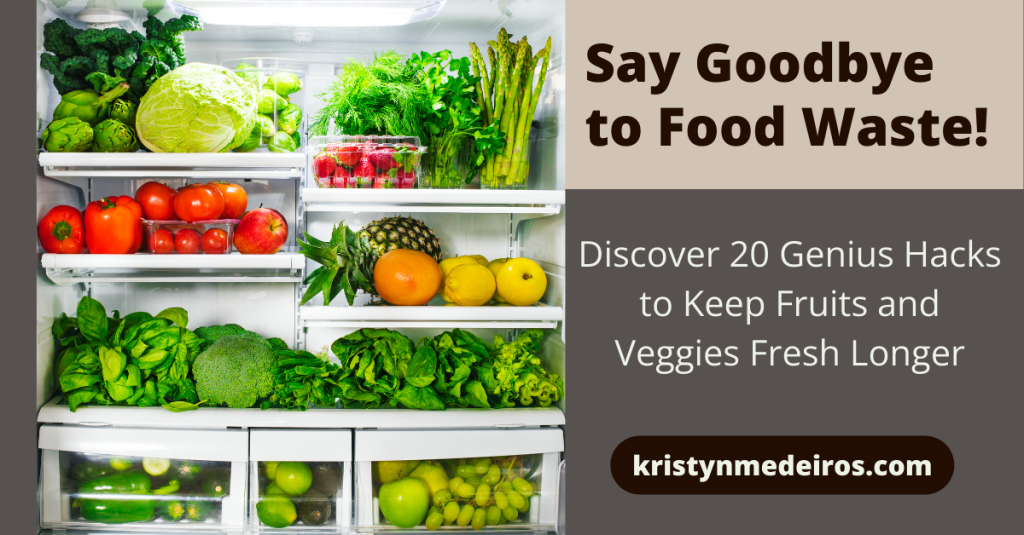
Hey there, food lovers! 🌱 Ever find yourself tossing out wilted veggies or moldy fruit? It stings, doesn’t it? Wasting food isn’t just a hit to your wallet; it’s a bummer for the planet too. Today, we’re diving into the ultimate guide on how to save fruits and vegetables, make them last the longest, and preserve those leftovers. We’ll cover everything from storage tips to pickling, fermenting, and canning. Plus, we’ll sprinkle in some creative ideas to minimize food waste. Ready to stretch your grocery dollar and keep your fridge happy? Let’s get started!
Maximizing Freshness for Fruits and Vegetables
Separate Fruits and Vegetables
First things first: separate your fruits and veggies. Many fruits emit ethylene gas, which can speed up the ripening process of nearby vegetables, causing them to spoil faster.
Use the Right Storage Containers
Invest in good-quality storage containers. For leafy greens, a damp paper towel in a breathable bag can work wonders. Root vegetables like carrots and potatoes do well in a cool, dark place.
Temperature Matters
Keep your fridge at the right temperature, ideally below 40°F (4°C). Store fruits and vegetables in their designated drawers; these are specifically designed to maintain optimal humidity levels.
Washing Tricks
Don’t wash your produce until you’re ready to use it. Moisture can accelerate mold growth and spoilage. For berries, a quick vinegar rinse (1 part vinegar to 3 parts water) before storing can extend their shelf life.
Special Tips for Specific Fruits and Vegetables
- Berries: Store unwashed berries in a single layer on a paper towel in the fridge.
- Leafy Greens: Store in a breathable bag with a damp paper towel.
- Apples: Keep in the fridge to slow down ripening.
- Bananas: Hang them away from other produce.
- Tomatoes: Store at room temperature away from direct sunlight.
- Carrots: Keep in a container with a little water to stay crisp.
Preserving Leftovers
Soups and Stews
Got a mix of leftover veggies? Toss them into a hearty soup or stew. It’s a fantastic way to clear out the fridge and make a comforting meal.
Smoothies
Wilted spinach or overripe bananas? Perfect for smoothies! Just blend them up with some yogurt and a splash of juice or milk.
Stir-Fries
Leftover rice and veggies can quickly become a delicious stir-fry. Add some soy sauce, garlic, and ginger for an easy dinner.
Frittatas
Got a few eggs and some leftover veggies? Whip up a frittata. It’s a versatile dish that works for breakfast, lunch, or dinner.
Preserving Techniques
Freezing
Freezing is one of the easiest ways to extend the life of your leftovers. Use freezer-safe containers and label everything with the date. Blanch vegetables before freezing to retain their color and nutrients.
Vacuum Sealing
If you’re serious about preserving leftovers, consider investing in a vacuum sealer. By removing air, you significantly extend the shelf life of your food.
Pickling and Fermenting
The Art of Pickling
Pickling is an age-old method to preserve vegetables. It’s easy, fun, and adds a delicious tangy flavor to your food.
Basic Pickling Recipe
Ingredients:
- 2 cups of vinegar (white or apple cider)
- 2 cups of water
- 2 tablespoons of sugar
- 1 tablespoon of salt
- Your choice of vegetables (cucumbers, carrots, beets, etc.)
- Optional: garlic, dill, peppercorns, mustard seeds
Instructions:
- Combine vinegar, water, sugar, and salt in a pot. Bring to a boil.
- Pack your vegetables into sterilized jars.
- Pour the hot brine over the vegetables, leaving some headspace.
- Seal the jars and let them cool before refrigerating.
Tips for Successful Pickling
- Use fresh, firm vegetables.
- Sterilize your jars and lids properly.
- Adjust the seasoning to your taste. Love it spicy? Add some chili flakes!
Fermenting for Gut Health
Fermenting not only preserves food but also boosts its nutritional value with probiotics.
Basic Fermentation Recipe
Ingredients:
- 1 quart of water
- 2 tablespoons of sea salt
- Your choice of vegetables (cabbage for sauerkraut, carrots, radishes, etc.)
Instructions:
- Dissolve salt in water to create a brine.
- Pack your vegetables tightly into a jar, leaving some headspace.
- Pour the brine over the vegetables, ensuring they’re fully submerged.
- Cover the jar with a cloth and secure it with a rubber band. Let it sit at room temperature for a few days to a few weeks, depending on your taste preference.
Tips for Successful Fermenting
- Use non-chlorinated water.
- Keep your vegetables submerged to avoid mold.
- Taste regularly to achieve your desired level of tanginess.
Canning Fruits to Make Jam
Canning fruit to make jam is a fantastic way to savor the flavors of summer all year round.
Basic Jam Recipe
Ingredients:
- 4 cups of fruit (strawberries, peaches, raspberries, etc.)
- 4 cups of sugar
- 1/4 cup of lemon juice
Instructions:
- Crush the fruit and combine it with sugar and lemon juice in a large pot.
- Bring the mixture to a boil, stirring constantly.
- Boil until the mixture reaches the desired thickness (you can test this by placing a small amount on a chilled plate and seeing if it gels).
- Pour the hot jam into sterilized jars, leaving some headspace.
- Process the jars in a boiling water bath for 10 minutes to seal.
Tips for Perfect Jam
- Use ripe, high-quality fruit.
- Sterilize your jars to prevent contamination.
- Adjust sugar levels to taste, but remember it helps with preservation.
Creative Ideas to Reduce Food Waste
Composting: Give Back to the Earth
Composting is a brilliant way to reduce food waste and enrich your garden soil. Collect your vegetable scraps, coffee grounds, and eggshells, and start a compost pile or bin.
Regrowing Vegetables
Did you know you can regrow some vegetables from scraps? Green onions, celery, and romaine lettuce can be regrown by placing the roots in water. It’s like a little science experiment in your kitchen!
Food Swaps and Donations
If you have more food than you can use, consider organizing a food swap with friends or donating to a local food bank. It’s a great way to share the bounty and reduce waste.
Meal Planning and Shopping Lists
Plan your meals for the week and make a shopping list to avoid buying more than you need. Stick to your list to prevent impulse buys that might go to waste.
Embrace Imperfect Produce
Ugly fruits and vegetables taste just as good as their prettier counterparts. Many markets sell “imperfect” produce at a discount. Buying these helps reduce food waste at the source.
Final Thoughts
Saving fruits and vegetables, preserving leftovers, and reducing food waste isn’t just good for your wallet—it’s a win for the environment too. By following these tips, you’ll get the most out of your groceries, enjoy delicious homemade preserves, and maybe even discover a new hobby in pickling or fermenting. So, let’s get creative in the kitchen and make every bite count!
 Kristyn Medeiros