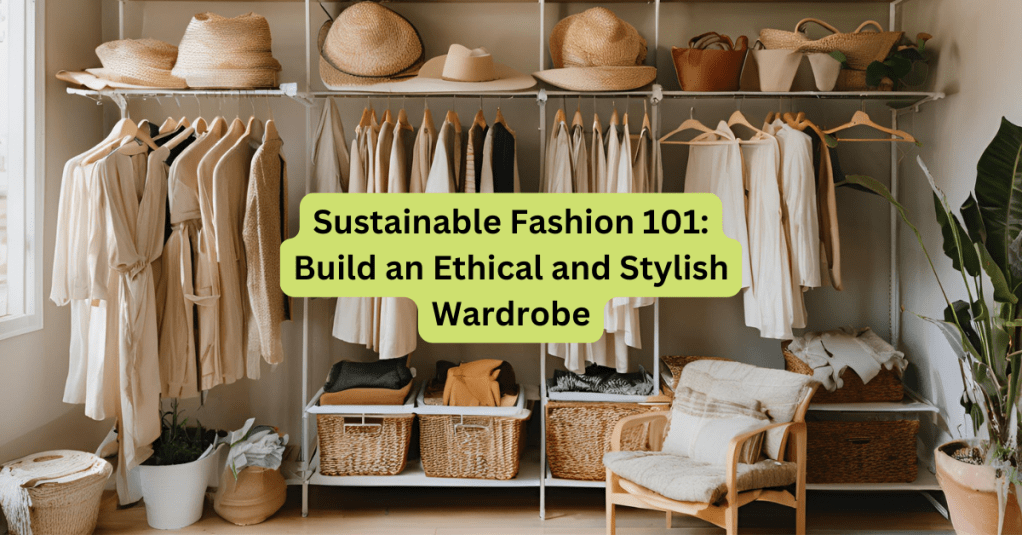
If you’ve already embraced veganism, chances are you’ve started thinking about how your lifestyle choices align with your values. But what about your wardrobe? The fashion industry is often overlooked in conversations about sustainability and ethics, yet it’s one of the largest contributors to pollution, waste, and exploitation.
The good news is you don’t have to sacrifice style to make ethical fashion choices. In fact, sustainable fashion is all about quality, creativity, and personal expression—without harming the planet or its inhabitants.
Today, I’m sharing everything you need to know to build a sustainable wardrobe that reflects your values and your style.
Why Sustainable Fashion Matters
Before diving into the “how,” let’s talk about the “why.” The fashion industry has a significant impact on the environment, animals, and workers. Here’s why switching to sustainable fashion is so important:
- Environmental Impact: The fashion industry produces 10% of the world’s carbon emissions and is the second-largest consumer of water. Fast fashion also creates enormous amounts of waste, with millions of tons of textiles ending up in landfills every year.
- Animal Cruelty: Materials like leather, wool, silk, and down often come from animals raised or killed in inhumane conditions. Vegan fashion eliminates the need for animal-derived materials altogether.
- Labor Exploitation: Many fast fashion brands rely on underpaid workers in unsafe conditions. Supporting ethical brands helps promote fair wages and safe workplaces.
By choosing sustainable fashion, you’re making a powerful statement against these harmful practices.
Step 1: Declutter and Assess Your Current Wardrobe
The first step toward a sustainable wardrobe is working with what you already own. Take stock of your closet and ask yourself:
- What do I wear regularly?
- What items no longer fit my style or needs?
- What can be repaired, repurposed, or donated?
Decluttering your closet allows you to focus on pieces you love and gives you a fresh start for building an intentional wardrobe.
Step 2: Choose Timeless, High-Quality Pieces
Sustainable fashion isn’t about buying more—it’s about buying smarter. Look for timeless, versatile pieces that can be styled in multiple ways and last for years.
- Basics: Invest in high-quality essentials like plain tees, denim, and neutral outerwear.
- Seasonless Styles: Avoid trends that may feel outdated in a year. Instead, opt for classic cuts and colors.
- Durable Fabrics: Choose materials like organic cotton, Tencel, or recycled polyester that are built to last.
Focusing on fewer, higher-quality items will save you money in the long run and reduce waste.
Step 3: Thrift, Swap, and Rent
One of the best ways to reduce your fashion footprint is by choosing secondhand or borrowed clothing. Thrifting and swapping not only reduce waste but also give unique, one-of-a-kind pieces a second life.
- Thrift Stores: Local thrift shops and online platforms like ThredUp or Poshmark offer affordable, pre-loved clothing.
- Clothing Swaps: Organize a swap with friends or attend local events to refresh your wardrobe without spending a dime.
- Rentals: For special occasions, consider renting an outfit instead of buying something you’ll only wear once. Services like Rent the Runway are great options.
Step 4: Support Ethical and Vegan Brands
When you do need to buy new, support brands that align with your values. Ethical and vegan fashion brands are committed to sustainable practices, cruelty-free materials, and fair labor conditions.
Some brands to explore:
- Reformation: Sustainable and stylish with a focus on reducing water usage.
- Stella McCartney: A pioneer in luxury vegan fashion.
- Matt & Nat: Vegan leather bags and accessories made from recycled materials.
- People Tree: Fair trade, ethical, and eco-friendly clothing.
- PANGAIA: Sustainable basics made from bio-based and recycled materials.
Look for certifications like GOTS (Global Organic Textile Standard) or Fair Trade to ensure transparency and accountability.
Step 5: Care for Your Clothes
Taking good care of your clothes extends their lifespan and reduces the need for replacements.
- Wash less frequently and only when necessary. Use cold water and eco-friendly detergent.
- Air dry whenever possible to reduce energy consumption and prevent fabric wear.
- Learn basic repairs, like sewing on buttons or fixing small tears, to keep your pieces wearable.
Proper care not only saves money but also helps the environment by reducing waste.
Step 6: Explore Vegan Alternatives to Animal-Derived Materials
One of the biggest challenges in sustainable fashion is finding alternatives to traditional materials like leather, wool, and silk. Fortunately, innovation in vegan materials is making it easier than ever to shop cruelty-free.
Exciting vegan materials:
- Piñatex: A durable leather alternative made from pineapple leaves.
- Cork Leather: Lightweight, water-resistant, and made from the bark of cork oak trees.
- Recycled Polyester: Often made from post-consumer plastic bottles.
- Tencel: A silky, eco-friendly fabric made from eucalyptus trees.
By choosing these materials, you’re helping reduce demand for animal-based products and supporting sustainable innovation.
Final Thoughts
Building a sustainable, ethical wardrobe is an ongoing journey, not a one-time overhaul. By making mindful choices—whether it’s thrifting, supporting vegan brands, or caring for your clothes—you’re contributing to a more compassionate and eco-friendly world.
Start small, embrace progress over perfection, and remember: every decision you make helps pave the way for a better future.
Here’s to looking good, feeling good, and doing good!
 Kristyn Medeiros