Why Vegan Certification Matters
Picture this: you’re standing in the grocery aisle, scanning a product labeled “vegan” and wondering, “What does that actually mean?” You’re not alone. As veganism and plant-based eating gain popularity, more people are looking for products that align with their values. But navigating the world of vegan labels can feel like decoding a secret language.
In this blog, we’ll dive deep into what vegan certification really means, how it works, and how you can confidently shop for products that meet your ethical and dietary standards.
What Does “Vegan” Mean?
The Basics of Being Vegan
At its core, being vegan means avoiding any products that involve animals, whether in their ingredients, production process, or testing. This includes not only food but also cosmetics, clothing, and even household items. It’s about minimizing harm to animals in all forms.
Vegan vs. Plant-Based: What’s the Difference?
Here’s a common misconception: vegan and plant-based are the same. While both prioritize plants, the terms differ slightly. “Plant-based” typically focuses on the dietary aspect, meaning the product is made primarily or entirely from plants. However, it doesn’t always exclude animal-derived ingredients or testing. On the other hand, “vegan” is a more comprehensive term that ensures no animal involvement at any stage.
Knowing the distinction can help you make better choices when shopping.
The Role of Vegan Certification
What Is Vegan Certification?
Vegan certification is a formal process where a product is independently verified by an organization to meet vegan standards. It ensures that the product contains no animal-derived ingredients and that no animal testing was involved. Certification provides transparency and builds trust for consumers who prioritize ethical shopping.
Benefits of Vegan Certification
When you see a certified vegan logo on a product, it’s like a green light signaling, “This is 100% safe for vegans.” Some key benefits include:
- No animal products or byproducts: You can shop without second-guessing ingredients.
- No animal testing: Even the manufacturing process is cruelty-free.
- Clear labeling: Saves you time and effort in reading every ingredient list.
Common Vegan Certification Labels
Top Certification Bodies
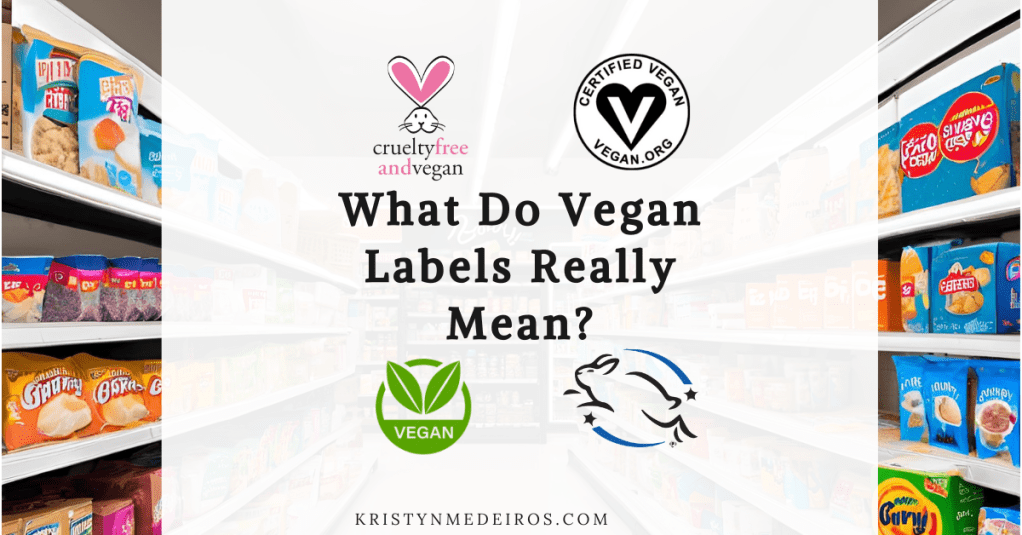
Not all vegan certifications are created equal. Here are some of the most reputable organizations:
- Vegan Society: The oldest vegan certification body, recognizable by its sunflower logo.
- Certified Vegan (Vegan Action): Known for its distinct sunflower design and a strong emphasis on no animal testing or byproducts.
- Leaping Bunny: While primarily a cruelty-free certification, some products also meet vegan standards.
What to Look for on Packaging
Certified vegan logos are your best friend. They’re a quick and reliable way to identify products that align with your values. Be cautious of self-labeled “vegan” claims, as they might not undergo the same rigorous verification process.
How Products Become Certified
The Application Process
Brands seeking vegan certification must go through a detailed application process. This involves:
- Submitting a complete list of ingredients.
- Providing documentation on manufacturing processes to ensure no cross-contamination.
- Passing inspections and audits by the certifying body.
Costs and Challenges
Certification isn’t free. Companies pay application fees, which can be a barrier for small businesses. However, many see it as a worthwhile investment for building consumer trust.
Vegan Certification Myths and Misconceptions
Myth: Vegan Labels Guarantee Health
Let’s clear this up—just because something is vegan doesn’t mean it’s automatically healthy. Vegan cupcakes, chips, or processed foods can still be high in sugar, salt, or unhealthy fats. Always check the nutritional information to ensure you’re making informed choices.
Myth: All Vegan Labels Are Equal
Not all vegan claims are created equal. Some companies may label products as vegan without third-party verification. Stick to recognized certifications for peace of mind.
Shopping Tips for the Savvy Vegan
Read Beyond the Label
Sometimes, non-vegan ingredients hide under unfamiliar names. Keep an eye out for things like:
- Gelatin
- Carmine (red pigment from insects)
- Whey or casein (dairy derivatives)
Also, note that “may contain” statements (e.g., “may contain milk”) usually indicate potential cross-contamination rather than actual ingredients.
Trust But Verify
Even with certifications, it’s a good habit to double-check. Many brands provide transparency on their websites, and reaching out directly to ask questions is always an option.
Why Vegan Certification Supports Ethical Choices
Animal Welfare
Choosing vegan-certified products directly reduces the demand for animal exploitation. Every purchase sends a message that cruelty-free practices matter.
Environmental Impact
Vegan-certified products often have a smaller environmental footprint. By avoiding animal agriculture, you’re contributing to a more sustainable future.
Supporting Ethical Brands
When you choose vegan-certified products, you’re supporting businesses that align with your values. It’s a powerful way to vote with your wallet and encourage more companies to adopt ethical practices.
FAQs
- What’s the difference between vegan-certified and cruelty-free? Vegan-certified means no animal products or byproducts, while cruelty-free focuses on no animal testing. A product can be one without being the other.
- Can vegan products still contain allergens like nuts or gluten? Yes, vegan certification only addresses animal ingredients, not allergens. Always check allergen labels.
- Are all plant-based products automatically vegan? Not necessarily. Plant-based products might still use animal-derived additives like honey or casein.
- Is vegan certification recognized worldwide? Some certifications, like the Vegan Society’s, have global recognition, but others might be region-specific.
- Can small businesses afford vegan certification? While certification can be costly, many organizations offer tiered pricing or support to help smaller brands achieve certification.
Conclusion: Decode the Label with Confidence
Understanding vegan certification can feel overwhelming at first, but it’s worth the effort. Armed with this knowledge, you can shop confidently, knowing you’re making choices that reflect your values and support a kinder, more sustainable world.
Choosing vegan-certified products isn’t just about reading labels—it’s about embracing a lifestyle that prioritizes compassion, sustainability, and ethical consumerism. Every choice you make has the power to contribute to a brighter future for animals, people, and the planet. So next time you’re in the grocery aisle, let your choices reflect the change you want to see in the world. Together, we can make a difference—one vegan-certified product at a time.
 Kristyn Medeiros