Veganism has undoubtedly come a long way in recent years. What once seemed like a niche lifestyle choice has now exploded into mainstream consciousness. From plant-based food options at every grocery store to trendy vegan restaurants in every major city, plant-based living is more popular than ever. 🌱
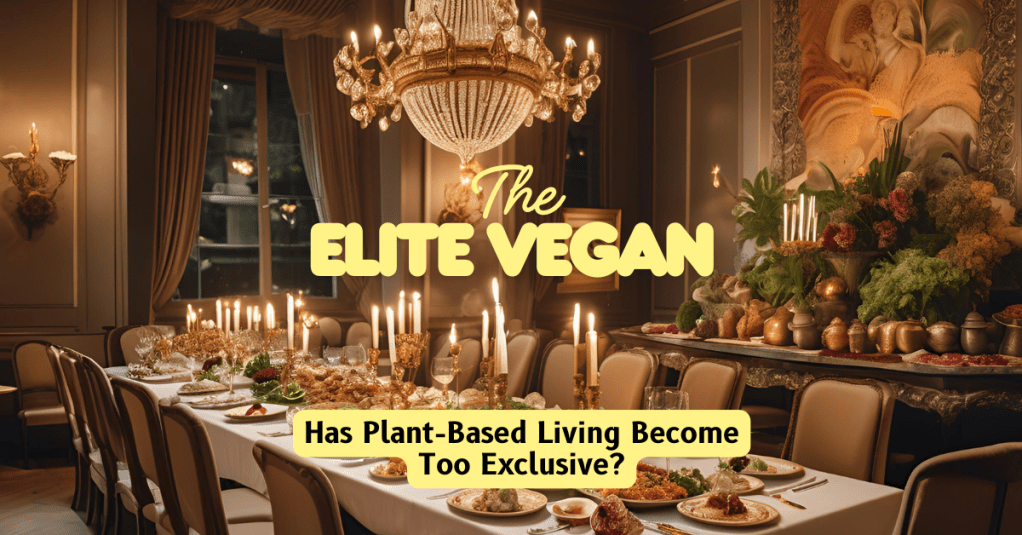
But as veganism becomes more and more mainstream, there’s a concerning trend that’s starting to emerge: the wellness industry has turned veganism into an expensive, exclusive trend. It’s starting to feel like being vegan is something only the well-off can afford. So, has plant-based living become too exclusive? Has it priced out low-income communities and turned veganism into a luxury?
The Rise of the Expensive Vegan Market
Veganism used to be about compassion for animals, environmental sustainability, and health. But in recent years, the wellness and food industries have seized on the plant-based movement to market expensive products that cater to the elite. Let’s face it: when you see a $10 jar of vegan cheese, a $15 plant-based protein powder, or a $20 juice cleanse, it’s hard not to feel like veganism is becoming a product for the privileged. 🧀🍶
Big companies have capitalized on veganism’s rise in popularity, turning it into a profitable market that appeals to affluent consumers. High-end brands are marketing their vegan products as “luxurious” or “health-focused,” often leaving out the simple, affordable options that have traditionally been associated with plant-based living.
Consider the explosion of “wellness” products in recent years: activated charcoal lattes, fancy kombucha, and high-end vegan protein powders. These products often have inflated prices, making veganism seem like something for the elite. While these products may have their place in the market, they also contribute to the narrative that veganism is something that only the wealthy can afford to practice.
But veganism isn’t supposed to be a trend—it’s a lifestyle that should be accessible to everyone. So why are these high-end products starting to dominate the conversation?
The Exclusion of Low-Income Communities
As veganism has become more commercialized, it’s increasingly leaving low-income communities out of the conversation. While plant-based living may be more accessible to those with disposable income, it’s often not a practical choice for those who are struggling to make ends meet.
Vegan products, especially those marketed as “premium,” are often more expensive than their animal-based counterparts. Organic produce, plant-based meat substitutes, and specialty vegan foods are generally priced higher than conventional foods. This creates a situation where plant-based eating becomes a privilege, only available to those who can afford it. In turn, this limits access for people in lower-income neighborhoods who may not have the resources to invest in these high-end vegan products.
But it’s not just about the price tag of vegan products. Low-income communities often lack access to fresh produce altogether. In many areas, especially food deserts, people have limited access to fresh fruits and vegetables, and the only options are highly processed, unhealthy foods. For someone living in a food desert, even if they want to eat more plant-based foods, their choices are limited. 🍅
So, is veganism really as accessible as it seems? The wellness industry has made it seem like anyone can go vegan, but for many people, it’s not as easy as it sounds. The cost of plant-based food combined with the lack of access to fresh produce makes it difficult for low-income families to make the switch to a plant-based lifestyle.
Why Has Veganism Become So Expensive?
You might be wondering, why has veganism become so expensive in the first place? There are a few reasons that can help explain the increasing cost of plant-based living:
Supply and Demand
As veganism becomes more popular, the demand for plant-based products has skyrocketed. With demand increasing, manufacturers often raise the price of their products, especially when there’s an assumption that consumers will pay a premium for a “trendy” product. When it comes to vegan products, companies are capitalizing on the growing demand by offering more “luxurious” options—often with inflated prices.
Marketing and Packaging
The wellness industry, which heavily influences the perception of veganism, has played a big role in turning plant-based products into high-end, premium goods. Think of the packaging of vegan snacks or protein powders: sleek, trendy, and marketed as something exclusive. The glossy packaging and high-end branding make the products feel more luxurious, which naturally drives the price up.
Import Costs
Many of the plant-based products that we now see on grocery store shelves are imported from other countries. For example, items like quinoa, coconut milk, or specialty vegan snacks often come from far away, which adds shipping costs, tariffs, and other logistical expenses. These costs are passed on to consumers, making the products more expensive. 🌍
Sustainability
It’s true that some plant-based products, like organic or non-GMO options, require more sustainable farming practices, which can come at a higher cost. Regenerative farming practices, while great for the environment, often result in higher production costs that get passed on to the consumer.
Veganism Doesn’t Have to Be Expensive
Despite what the wellness industry might suggest, veganism doesn’t have to be expensive. In fact, plant-based eating can be incredibly affordable when you focus on whole, unprocessed foods like grains, beans, lentils, vegetables, and fruits. These simple, whole foods are often less expensive than processed vegan snacks and meat substitutes. 🥗
Here are a few tips for eating plant-based on a budget:
- Buy in Bulk: Grains, beans, and legumes are some of the most affordable plant-based foods. Buying them in bulk can save you a ton of money, and they last a long time.
- Focus on Frozen: Fresh produce can be expensive, but frozen fruits and vegetables are often more affordable and just as nutritious.
- Shop Locally: Many local farmers’ markets offer fresh produce at lower prices than supermarkets. Supporting local farmers can also help you find affordable, sustainable options.
- Avoid Processed Vegan Products: Processed vegan foods, like plant-based meats and cheeses, can be convenient but often come at a steep price. Focus on whole foods like beans, lentils, rice, and seasonal veggies to keep your meals affordable.
- Cook at Home: Homemade vegan meals are typically cheaper and healthier than eating out or buying pre-packaged meals. Plus, it’s a fun way to explore new recipes!
How to Make Veganism More Inclusive
If we want veganism to be more inclusive, we need to remove the barriers that make it seem like a luxury. Here’s how we can make veganism accessible to everyone:
- Support Low-Income Communities: We need to create more access to affordable, fresh produce in food deserts and low-income areas. Supporting local community gardens and farmers’ markets can help improve access to healthy, plant-based food.
- Education and Awareness: We need to raise awareness about how affordable and accessible plant-based eating can be. Many people don’t know that simple, nutritious meals can be made from basic, inexpensive ingredients. Let’s share the knowledge!
- Affordable Vegan Options: The more we demand affordable, whole-food, plant-based options from food manufacturers, the more likely they are to make these products widely available at lower prices. Advocate for more affordable plant-based options in grocery stores and restaurants.
Conclusion: Veganism for All!
Veganism doesn’t have to be exclusive. It’s about making compassionate choices that are accessible, sustainable, and affordable for everyone. The wellness industry’s commercialization of veganism has created an image of veganism as something only for the wealthy, but this isn’t the truth. It’s time to bring veganism back to its roots—making it about the love of animals, the environment, and our health, not the price tag.
Let’s work together to make veganism a lifestyle that’s accessible to all—regardless of income. Veganism is about progress, not perfection. The more we support affordable plant-based options, the more we ensure that plant-based living is an option for everyone, everywhere. 🌍💚
 Kristyn Medeiros