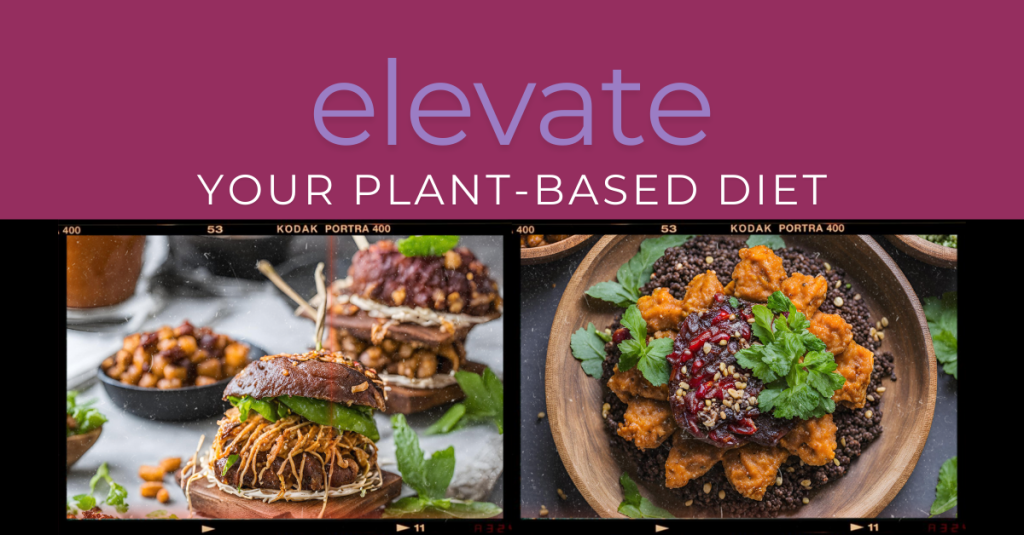
Let’s face it—veganism has come a long way. What used to mean basic salads and tofu is now an exciting world of endless possibilities. But if you’ve been vegan for a while or want to optimize your plant-based lifestyle, you’re probably asking yourself: How do I make sure I’m truly getting the best nutrition? That’s where “Vegan 2.0” comes in.
This isn’t about going back to basics—it’s about leveling up your plant-based game. Whether you’re looking to boost energy, support muscle growth, or simply feel your best, this guide will teach you advanced tips using superfoods, supplements, and nutrient timing to unlock your maximum health potential.
Why Upgrade to “Vegan 2.0”?
Eating a plant-based diet is fantastic for your health, the planet, and animals—but it’s not always foolproof. Without a little strategy, even the healthiest vegan can run into nutritional gaps. “Vegan 2.0” takes things up a notch, helping you:
- Fill common nutritional gaps like B12, iron, and omega-3s.
- Maximize energy levels by balancing macronutrients and timing your meals.
- Use superfoods to supercharge your immune system and performance.
Sound good? Let’s dive into the tools and techniques you can use to crush your health goals.
1. Superfoods: Your Vegan Secret Weapon
Superfoods are like nature’s multivitamins. They’re nutrient-dense and pack a serious punch when it comes to health benefits. Here’s how to incorporate the best ones into your diet:
The Top 5 Must-Have Superfoods for Vegans
- Spirulina and Chlorella
- Why they rock: These algae are protein powerhouses (up to 60% protein by weight!) and loaded with iron, B vitamins, and antioxidants.
- How to use them: Add a teaspoon to your smoothie or juice. Pro tip: Pair with citrus to boost iron absorption.
- Hemp Seeds
- Why they rock: Complete protein, omega-3 fatty acids, and magnesium make these tiny seeds a nutritional goldmine.
- How to use them: Sprinkle on oatmeal, salads, or blend into hemp milk.
- Maca Root Powder
- Why it rocks: Known for balancing hormones and boosting energy, maca is a favorite among athletes.
- How to use it: Stir into coffee or smoothies for a nutty, caramel-like flavor.
- Nutritional Yeast
- Why it rocks: This cheesy-tasting powder is packed with B12 (essential for vegans) and protein.
- How to use it: Sprinkle over popcorn, pasta, or soups.
- Acai Berries
- Why they rock: High in antioxidants, acai supports immune function and combats inflammation.
- How to use them: Blend frozen acai puree into smoothie bowls.
Superfood Pairing for Maximum Absorption
Nutrients don’t work in isolation—they’re a team. For example:
- Pair vitamin C-rich foods (like oranges or bell peppers) with plant-based iron (like spinach or lentils) to enhance absorption.
- Add fats (like avocado or nuts) to your salads to absorb fat-soluble vitamins like A, D, E, and K.
2. Supplement Smarter, Not Harder
Even with a diverse vegan diet, it can be tough to hit all your nutritional needs. Here are the top supplements to consider:
The Non-Negotiables for Vegans
- Vitamin B12
- Essential for energy production, brain function, and DNA synthesis.
- How to get it: Choose a B12 supplement or fortified foods like plant milk or nutritional yeast.
- Omega-3 Fatty Acids
- While flaxseeds and walnuts are great, many vegans benefit from algae-based omega-3 supplements for EPA and DHA.
- Iron
- If you’re feeling tired or low-energy, an iron supplement (paired with vitamin C) can help prevent anemia.
- Vitamin D
- Sun exposure isn’t always enough, especially in winter. Opt for a vegan D3 supplement to support bone health and immunity.
- Zinc
- Crucial for immunity and healing, zinc can be tricky to get from plants alone. Consider a daily supplement or focus on zinc-rich foods like pumpkin seeds and tofu.
Pro Tip: Don’t Overdo It
More isn’t always better. Stick to recommended doses, and get bloodwork done to tailor supplements to your needs.
3. Master the Art of Nutrient Timing
Ever heard the phrase, It’s not just what you eat, but when you eat? Timing your nutrients can make a world of difference. Here’s how to use this strategy to your advantage:
Pre-Workout Fuel
- What to eat: A mix of carbs and a little protein to fuel your workout.
- Examples: A banana with almond butter or a small smoothie with oats and hemp seeds.
Post-Workout Recovery
- What to eat: Protein and carbs to replenish glycogen and repair muscles.
- Examples: A tofu stir-fry with quinoa or a protein shake with spirulina.
Intermittent Fasting (Optional)
Some vegans swear by intermittent fasting to boost energy and focus. If you try it, make sure to pack your eating window with nutrient-dense meals.
Snack Wisely
Keep snacks like roasted chickpeas or trail mix handy to curb hunger and keep your energy steady throughout the day.
4. Build a Balanced Plate
For optimal health, your meals should include all three macronutrients: carbs, protein, and fat. Use this simple formula to guide your meals:
- 50% Carbs: Think sweet potatoes, quinoa, or whole grains.
- 25% Protein: Lentils, tempeh, tofu, or edamame are excellent choices.
- 25% Healthy Fats: Avocados, nuts, seeds, or olive oil.
5. Stay Hydrated (with a Twist!)
Hydration is about more than just water. As a vegan, you can upgrade your hydration game with:
- Electrolyte drinks: Coconut water or electrolyte tablets can help if you’re active or sweating a lot.
- Herbal teas: Peppermint or ginger tea aids digestion, while hibiscus is rich in antioxidants.
- Smoothies: Pack these with leafy greens, chia seeds, and fruits for a hydrating nutrient boost.
6. Tips for Longevity on a Plant-Based Diet
Rotate Your Foods
Eating the same foods every day can lead to nutrient deficiencies. Switch up your grains, greens, and protein sources regularly.
Cook Smart
Certain nutrients (like iron and calcium) become more bioavailable when cooked, while others (like vitamin C) are better raw. Balance your meals with a mix of cooked and fresh foods.
Get Regular Checkups
Bloodwork is your best friend. Test for B12, iron, vitamin D, and omega-3 levels annually to ensure you’re on track.
FAQs
1. Do vegans really need supplements?
Yes, certain nutrients like B12 and omega-3s are challenging to get from plants alone. Supplements ensure you stay balanced and healthy.
2. What’s the best protein source for vegans?
It depends on your preferences, but lentils, chickpeas, tofu, tempeh, and edamame are excellent options. Hemp seeds and spirulina are great for extra protein too!
3. How do I get enough calcium without dairy?
Focus on calcium-rich foods like fortified plant milk, tofu, kale, bok choy, and almonds.
Wrapping It Up
Living a plant-based lifestyle is already a huge step toward better health, but “Vegan 2.0” takes it further. By incorporating superfoods, choosing the right supplements, and timing your nutrients strategically, you can elevate your energy, performance, and overall well-being.
So, what’s your next step? Maybe it’s adding maca powder to your morning smoothie or scheduling a blood test to fine-tune your nutrition. Whatever it is, know that this journey is about progress—not perfection.
Ready to level up? Let me know your favorite tip or superfood from this guide!

