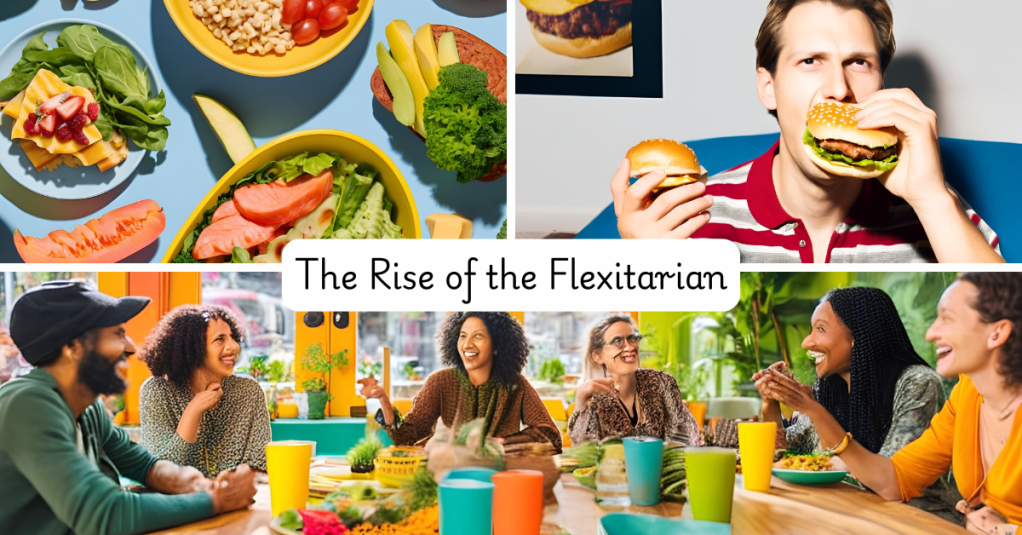
Veganism is no longer a fringe idea—it’s mainstream, baby! But alongside the surge in vegan restaurants and plant-based alternatives at every grocery store, a new trend has emerged: the rise of the flexitarian. These are people who intentionally reduce their meat and dairy intake, often adopting a plant-based diet part-time.
And guess what? Flexitarians are here in droves. According to a 2022 report by Euromonitor, more than 42% of global consumers now identify as “flexitarian.” While this might raise an eyebrow for some long-time vegans (If they’re not all-in, is it really helping?), the truth is: flexitarians are allies, not opponents.
In this blog, we’ll explore how vegans and flexitarians can work together to build bridges, why it matters for the plant-based movement, and how a little understanding can create massive ripple effects for the planet, animals, and future generations.
What is a Flexitarian, and Why Are They Important?
Flexitarians aren’t vegans or vegetarians—they’re people who primarily eat plant-based meals but occasionally consume animal products. Think of them as “part-time plant-based eaters.”
Why Flexitarians Matter to the Vegan Movement
- They drive demand for plant-based products: Flexitarians are the reason oat milk is everywhere, Beyond Burgers are on fast-food menus, and vegan cheese is finally (mostly) delicious. Their purchasing power expands vegan options for everyone.
- They reduce animal consumption: Even a single meatless meal helps reduce greenhouse gas emissions and animal suffering. Multiply that by millions of flexitarians, and the impact is monumental.
- They’re gateway eaters: Many flexitarians eventually transition to full-time veganism. Plant-based exploration is often a stepping stone to adopting a more ethical and sustainable lifestyle.
Instead of treating flexitarians as “not vegan enough,” we should welcome them as partners in the movement. After all, progress is progress, right?
Bridging the Gap: Why Collaboration Matters
For long-time vegans, it’s easy to feel frustrated when someone says, “I’m mostly plant-based… but I still eat chicken sometimes.” You might think: Why not just commit fully? But here’s the thing—judgment and all-or-nothing thinking can alienate people who are already making significant changes.
Instead of focusing on what flexitarians aren’t doing, let’s focus on what they are doing. Here’s why building bridges with flexitarians is crucial:
1. It Reduces the “Perfectionism” Barrier
Many people are intimidated by the idea of going vegan overnight. Flexitarianism offers an accessible, low-pressure entry point. By celebrating their progress, we can encourage more people to explore plant-based living without fear of judgment.
2. It Creates a Bigger Tent
The goal isn’t to create an exclusive club of vegans—it’s to build a global movement for a more sustainable and compassionate world. Flexitarians increase the size of the tent, making the movement more inclusive and approachable.
3. It Normalizes Plant-Based Eating
When someone sees their friend or coworker eating a vegan meal (even if they’re not 100% vegan), it chips away at the stereotype that plant-based eating is extreme. Flexitarians help normalize the lifestyle and spark curiosity among others.
How Long-Time Vegans Can Build Bridges
So, how do you connect with flexitarians in a way that fosters collaboration, not division? Here are six strategies to create understanding, encourage progress, and amplify the movement:
1. Celebrate Progress, Not Perfection
One of the biggest barriers to plant-based living is the fear of “failing.” Long-time vegans can help by celebrating small wins instead of focusing on shortcomings.
- If a friend tells you they’re eating vegan breakfasts, applaud them!
- If someone swaps dairy milk for oat milk, cheer them on!
Every step counts, and positive reinforcement goes a long way in encouraging continued progress.
2. Share Without Preaching
Nobody likes being lectured. Instead of pushing an all-or-nothing mindset, share your plant-based journey in a way that’s relatable and inspiring.
- Mention how veganism improved your energy or reduced your grocery bill.
- Share a killer recipe or recommend your favorite plant-based restaurant.
Lead with curiosity and kindness, and people will naturally want to learn more.
3. Use Social Media as a Bridge
Social media is a powerful tool for spreading awareness, but it’s also a space where judgment can run rampant. Shift the narrative by:
- Posting accessible, beginner-friendly recipes.
- Sharing articles or documentaries about plant-based living without a judgmental tone.
- Highlighting flexitarians’ contributions to the movement.
Social media should feel like an open invitation, not an exclusive club.
4. Educate Without Overwhelming
Many flexitarians are eager to learn more about veganism but don’t know where to start. Be a helpful guide by providing resources without overwhelming them with information.
- Recommend easy swaps like chickpeas instead of chicken or almond milk over dairy milk.
- Suggest beginner-friendly documentaries like Forks Over Knives or Game Changers.
- Offer simple meal prep tips to make plant-based eating manageable.
Remember, small steps lead to big changes over time.
5. Be Patient with the Journey
Changing lifelong eating habits takes time. Instead of rushing someone to “convert,” respect their pace. A flexitarian who feels supported is more likely to transition to full-time veganism than one who feels judged or pressured.
- If someone eats vegan three days a week, that’s progress.
- If they switch to plant-based snacks, celebrate that too.
Patience and encouragement go hand-in-hand.
6. Find Common Ground
At the end of the day, vegans and flexitarians share the same goal: reducing harm to animals and the planet. Focus on this common ground instead of highlighting differences.
- Collaborate on Meatless Monday campaigns or community events.
- Celebrate shared victories, like a new vegan product launch or local restaurant offering plant-based options.
By working together, we can create a bigger, louder, and more impactful movement.
Why Flexitarians Are the Future
If we want a world where plant-based eating becomes the norm, flexitarians are an essential part of the equation. They bridge the gap between traditional diets and veganism, creating a ripple effect of change.
Here’s why this matters:
- They drive innovation: The flexitarian demand for plant-based alternatives is pushing companies to create better, tastier, and more accessible products.
- They amplify the message: Flexitarians serve as advocates, introducing plant-based meals to friends and family.
- They challenge the status quo: Even part-time plant-based eating disrupts the industrialized animal agriculture system.
Instead of aiming for 100% veganism for 5% of the population, we should aim for 50% plant-based eating across 100% of the population. The latter creates far greater change.
FAQs
1. Is flexitarianism really helping the vegan movement?
Absolutely. By reducing animal product consumption, flexitarians contribute to fewer greenhouse gas emissions, less deforestation, and less animal suffering. Every meal matters.
2. How can I encourage a flexitarian to go vegan?
Start by celebrating their progress, sharing resources, and being a supportive guide. Judgment-free conversations are far more impactful than criticism.
3. What’s the best way to connect with flexitarians?
Focus on shared goals like sustainability and health. Offer helpful tips, beginner-friendly recipes, or plant-based swaps they can try.
Wrapping It Up
The rise of the flexitarian is proof that plant-based eating is no longer an all-or-nothing conversation. Long-time vegans have a unique opportunity to build bridges, celebrate progress, and collaborate with flexitarians to grow the movement.
By shifting our focus from perfection to progress, we can make plant-based living more accessible and appealing to everyone—one meal at a time.
So, let’s do this together. Let’s welcome flexitarians with open arms, champion their efforts, and work side by side to create a kinder, more sustainable world.
What step will you take today to connect with flexitarians? Share your thoughts —I’d love to hear!

