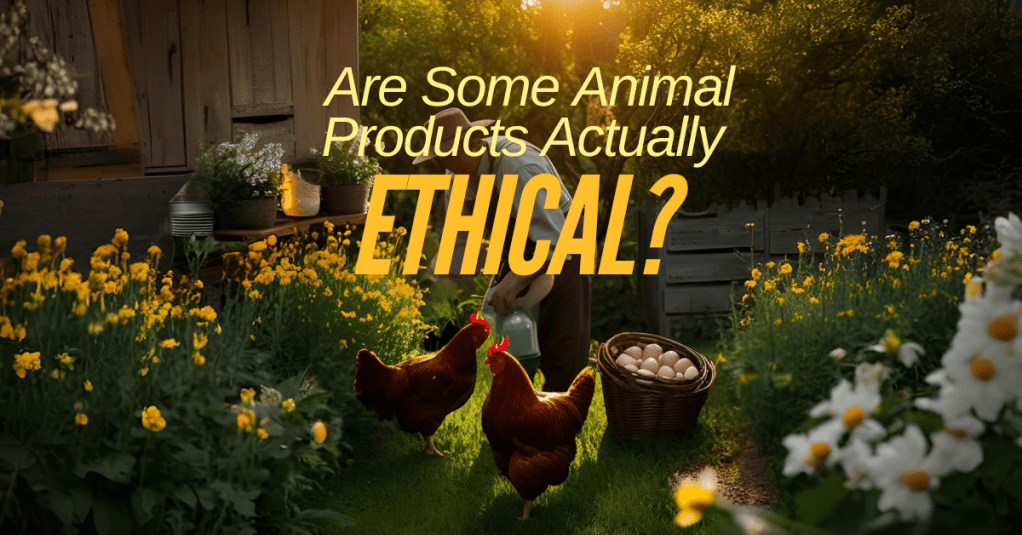
As a vegan, you’re likely familiar with the big, obvious questions: Should I eat meat? Is dairy ethical? These are the no-brainers, right? But what about the gray areas? What about things like honey, leather, and backyard eggs? Are these products inherently unethical, or can they fit into a compassionate, sustainable lifestyle? 🤔
In this blog, we’re digging into the ethical dilemmas around some of the most debated animal products. The idea isn’t to make you feel guilty or confused—it’s about exploring the nuances and helping you make an informed choice that aligns with your values. Whether you’re on the fence about these gray areas or just curious about them, let’s explore together!
1. Honey: The Sweet Dilemma
Let’s start with honey, one of the most common “gray area” products that vegans encounter. Bees are incredible creatures, and many of us admire them for their role in pollination and ecosystem health. But what happens when honey is harvested from bees?
The Ethical Issues Around Honey
Commercial honey farming, especially on a large scale, raises ethical concerns. In factory-style beekeeping, bees are often kept in overcrowded conditions, and their hives are manipulated to increase honey production. Some beekeepers even practice queen culling or swarm removal to control bee populations, both of which harm the bees. Plus, many bees are transported long distances for pollination, disrupting their natural behavior. 🐝
What About Small-Scale Beekeeping?
But what if we’re talking about small-scale, sustainable beekeeping? Some people believe that ethically sourced honey can be okay if the bees are treated with care, the hives are managed responsibly, and no harm is done. In these cases, beekeepers often focus on regenerative practices that support the health of the bee population and environment. Some small-scale beekeepers even work to protect their bees from pesticides and overharvesting.
When it comes to honey, the ethical concerns run deeper than just how it’s harvested. Bees produce honey as a way to sustain themselves through the colder months when flowers and plants aren’t available. It’s their food source, built by their hard work and natural processes. So, when we take honey, we’re essentially taking away their winter food supply, which disrupts their natural lifecycle and survival. While bees may create an abundance of honey, they do this to store food for themselves, not for human consumption. In fact, honey is essentially bee “vomit” or regurgitated nectar. Bees collect nectar from flowers, then store it in their stomachs, where it is broken down with enzymes before being regurgitated and stored in their hive. This process is designed for the bees’ survival—not ours.
Many small-scale, ethical beekeepers argue that they can harvest honey in a way that doesn’t harm the bees, but even with these practices, it’s important to ask: is it right to take what was never intended for us? By taking honey, even when it’s harvested sustainably, we’re still benefiting from an animal product that was made for the sole purpose of sustaining a bee colony. This is the key ethical dilemma: even in the most ethical bee farming practices, we are still taking something that doesn’t belong to us, something nature intended for the bees’ survival during the winter months.
2. Leather: Sustainable Fashion or Exploitation?
Leather is another tough one. After all, it’s a byproduct of the meat industry, right? So, shouldn’t we avoid it because it’s tied to the exploitation of animals? On one hand, yes—but there’s more to consider.
The Issue with Conventional Leather
Conventional leather is usually produced in massive tanneries, where cows, sheep, and other animals are killed for their hides. The leather industry is notorious for its negative environmental impact too, due to the chemicals used in the tanning process, as well as the massive amount of resources (like water) needed for cattle farming.
The Case for Regenerative Leather
But what about regenerative farming? In regenerative farming, animals like cows are raised in a way that benefits the land. The cattle graze on open pastures, contribute to soil health through their natural behavior, and can even help sequester carbon in the soil, making regenerative farming a positive force for the environment. This farming method not only avoids factory farming practices but also offers an alternative to leather production that might be more sustainable.
Some people argue that leather produced through regenerative farming practices is more ethical than using synthetic leather, which has its own environmental impact due to the use of plastics and chemicals. Regenerative farming, where animals like cows are raised in ways that benefit the land—helping with soil health, sequestering carbon, and reducing overall environmental harm—can indeed be a more sustainable alternative to factory farming. However, even within regenerative farming, the ethics of leather production are complex and problematic.
The primary issue is that no matter how the leather is sourced, it still involves the killing of an animal. Whether it’s a cow raised on a regenerative farm or a cow from a factory farm, the animal is killed with the primary intention of using its hide as a product to sell for human benefit. While regenerative farming may provide better living conditions for the cows compared to factory farming, it doesn’t change the fact that their life is taken for the sake of producing leather. Some argue that just because the animal had a slightly better life doesn’t make its death any less significant—it still died for human consumption and the benefit of the leather industry. In this way, the animal’s life is still seen as a commodity, ultimately reduced to a product, which raises serious ethical questions about whether any form of leather production can truly be justified. 🐄
At the end of the day, the issue is about whether the sacrifice of an animal can ever be considered ethically justified—no matter how sustainable or regenerative the farming practices are. Even with a more sustainable approach, the act of taking a life for the purpose of creating a luxury or fashion item raises questions about our values and how much harm we’re willing to justify for human gain.
3. Backyard Eggs: Can They Be Ethical?
The question of whether backyard eggs are ethical is a particularly tricky one. Many people are drawn to the idea of keeping hens in their backyards, raising them in a natural environment, and gathering their eggs for personal consumption. But where does the line fall between a happy hen and one that’s exploited for her eggs?
The Ethical Considerations
Even in backyard settings, hens are often kept in conditions that can lead to health issues. For example, they may suffer from egg-binding, a painful condition where the egg gets stuck inside their reproductive tract. Additionally, many backyard hens are kept in small enclosures with limited space and social interaction, which can cause stress and discomfort.
There’s also the issue of egg production itself. Even in a backyard setting, hens are still being used for their reproductive output. Many people argue that, in the same way that honey is an animal product, eggs are something hens produce for themselves, not for us.
The Case for Ethical Backyard Eggs
On the flip side, backyard eggs from hens raised in a free-range, humane environment can be seen as more ethical than eggs from factory farms. If you’re raising the chickens yourself and ensuring they live a healthy, happy life with plenty of room to roam, many argue that the ethical concerns of egg production are minimized. Plus, you avoid supporting industrial agriculture, which often involves cruelty to animals.
However, even in these situations, it’s important to recognize that the eggs are a product of an animal’s reproductive system, and once you start taking the eggs, you’re still using an animal for your benefit. Some vegans choose to avoid eggs entirely, even from backyard hens, because of this fundamental ethical issue and the association with disease.
4. The Bottom Line: Are These Products Actually Ethical?
When it comes to honey, leather, and backyard eggs, the answer is not a simple “yes” or “no.” The ethics of these products depend largely on how they are produced, the treatment of the animals involved, and the impact on the environment.
- Honey: Small-scale beekeeping can be ethical if done with care, but the commercial honey industry often involves exploitative practices.
- Leather: Regenerative farming could make leather more sustainable, but the killing of animals remains a point of contention.
- Backyard eggs: While ethically raised backyard eggs may feel better than factory-farmed eggs, it still involves using animals for reproductive products.
For many vegans, the choice comes down to your personal values. Do you prioritize environmental sustainability, animal welfare, or the impact of your consumption on the ecosystem? There’s no one-size-fits-all answer, but what matters is that we make intentional, informed decisions that align with our ethical beliefs. 🌍💚
5. How to Navigate These Gray Areas
If you find yourself torn between these gray areas, consider this: being vegan is not about being perfect. It’s about reducing harm where possible and making conscious choices. Here are a few ways to navigate these ethical dilemmas:
- Educate Yourself: Stay informed about regenerative farming, sustainable honey practices, and ethical egg production. The more you know, the better decisions you can make.
- Consider Your Impact: Think about the environmental, animal, and health impacts of the products you choose. Even small changes can make a difference.
- Support Ethical Practices: Whenever possible, support businesses and farmers who are committed to ethical and sustainable practices. Your purchasing power matters!
6. Living Ethically as a Vegan: Moving Forward
Making decisions about whether certain animal products are ethical doesn’t have a one-size-fits-all answer. It’s a journey of learning, adjusting, and discovering what feels right for you—and that’s okay! The key is staying true to your values, making informed choices, and always striving to reduce harm where possible. 🌍💚
You might find that some practices—like small-scale honey production or regenerative leather farming—fit into your ethical lifestyle, while others, like factory-farmed products or commercial leather, do not. And that’s the beauty of veganism: it’s a personal journey that’s as much about the intentionality behind your choices as it is about the choices themselves. Every small change you make contributes to a greater, positive impact.
It’s also important to note that veganism isn’t about perfection—it’s about progress. Being vegan means striving to reduce harm to animals, improve the planet, and live a more compassionate life. But no one is perfect, and it’s okay to navigate gray areas and adjust your path as you grow. 🌱
7. Practical Tips for Navigating the Gray Areas
If you find yourself navigating the gray areas and wondering what choices are right for you, here are some practical tips to help guide your journey:
- Educate Yourself: The more informed you are about practices like regenerative farming, ethical honey production, and sustainable leather alternatives, the better you’ll be at making decisions that align with your values.
- Ask Questions: If you’re buying honey, leather, or eggs, ask how the product was sourced. Don’t be afraid to reach out to local producers or companies to understand their practices. Transparency matters.
- Support Ethical Practices: Whether it’s honey harvested by local beekeepers, leather sourced from regenerative farms, or free-range eggs from a trusted backyard farm, support businesses that prioritize ethics, sustainability, and animal welfare.
- Consider Alternatives: If you’re not sure whether a product is ethical, there are often great alternatives. Plant-based leather, cruelty-free honey, and vegan egg substitutes are all growing in availability and quality. If in doubt, opt for the vegan version!
- Trust Your Instincts: At the end of the day, it’s about what feels right for you. If you feel good about supporting small-scale or sustainable practices, that’s valid. If you prefer to avoid these products altogether, that’s perfectly fine too. Veganism is a personal choice, and it’s about reducing harm in a way that works for you.
Conclusion: Ethical Veganism is About Progress
As you explore the gray areas of veganism, remember that the goal is not perfection but progress. No one is going to have all the answers, but every conscious choice you make adds up. Whether you choose to avoid honey, leather, and eggs entirely or support more ethical alternatives, the important thing is that you’re making an effort to align your actions with your values.
The world of veganism is constantly evolving, and as we continue to learn more about sustainable farming practices, ethical sourcing, and animal welfare, we’ll be better equipped to navigate the gray areas with confidence. What matters is your commitment to reducing harm and creating a more compassionate world for all living beings. 🌍💚
No matter where you fall on the honey, leather, and backyard egg debate, know that you are contributing to a more ethical, sustainable world. Keep questioning, keep learning, and most importantly, keep making choices that reflect your unique path as a compassionate, ethical vegan. 🌱

